
Why Slow Travel?
Taking the time to explore my surroundings is important to me, as someone who loves to travel.
The term ‘slow travel’ has roots that echo the Italian concept of ‘slow’, which is simply lento in Italian.
This philosophy is akin to savoring a fine Italian wine; it’s about immersing myself in the local environment, culture, and history.
In slow travel, travelers like me are encouraged to step out of their habitual rush and embrace a more leisurely pace, prioritizing quality interactions over just completing a task.
Want to start slow travel yourself? You’re in the right place.
Disclaimer: I earn a tee bit of commission if you book using my links at no extra charge from you. However, you earn some extra karmic points for your good deed 🙂
- Why Slow Travel?
- My Stance on Sustainable and Responsible Travel
- Why and How to Plan Your Slow Travel Itinerary
- Exploring Slow Food Travel In Italy
- Finding Authentic and Local Places to Stay
- Discovering Offbeat Italy
- Cultural Immersion and Activities
- Online Resources for Slow Travelers
- Frequently Asked Questions About Going Slow In Italy
- What are the best regions in Italy for a slow travel experience for couples?
- Which websites offer the best resources for planning a slow trip to Italy?
- What are the most effective strategies for Americans to experience slow travel in Italy?
- Can you recommend any working farm stays that cater to the slow travel lifestyle in Italy?
- How can visitors navigate Italy efficiently without relying on personal vehicles?
- What are the best months to slow travel Italy and avoid large tourist crowds?
Slow Travel Vs. Typical Tourism
| What? | Slow Travel | Traditional Tourism |
| Pace | Relaxed and flexible | Rushed and packed |
| Experience | Deep, meaningful, and immersive | Barely scratches the surface |
| Interaction | Personal and focused on local life and customs | Usually limited to tourist hotspots |
| Footprint | Lower because of sustainable practices | Higher thanks to fast-paced and mass tourism |
My Stance on Sustainable and Responsible Travel
I found that slow travel encourages responsible environmental practices.
Because it focuses more on immersing myself in the culture rather than just observing it, it enriches the local communities too.
It taught me how to self-care, rather than trying to keep up with the current travel trends.
Tourism’s footprint: Impact of Overtourism
Italy’s mass tourism has clogged up landmarks and strained the environment.
I have found that this often diminishes the cultural authenticity of local areas. Slow travel, however, addresses these issues head-on. How?
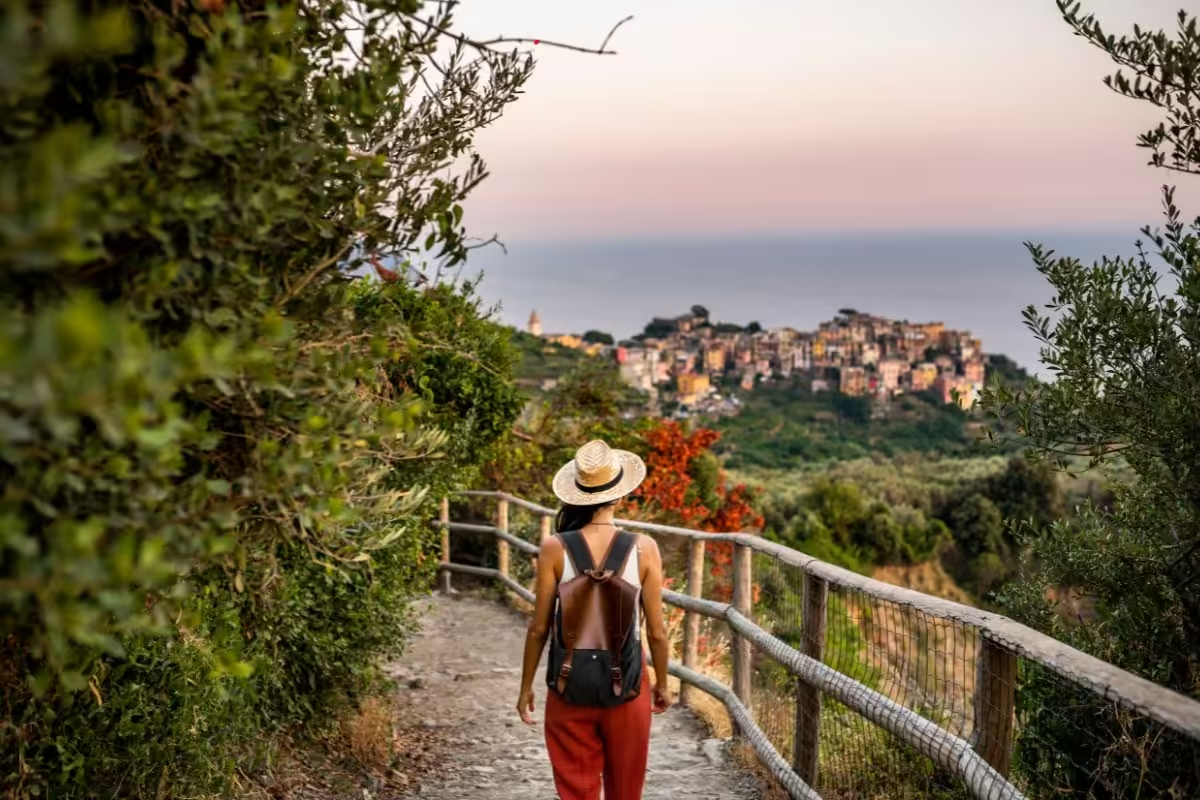
By spending more time in fewer places, such as Cinque Terre, I minimize my environmental impact (less flying for example) and allow myself to foster a deeper connection with the locale.
Promoting Local Economies with Slow Holidays
Direct economic benefits: Taking local accommodations and using eateries pumps money directly into the economy.
So when I slow travel, I know I’m contributing directly to the beautiful culture and society around me.
- Choosing local: By dining at local trattorias or staying in agriturismos, the economic benefits of my slow holidays remain within the community.
- Extended stays: Longer visits mean more opportunities to engage with and contribute to the local economy, from full-course meals to participation in traditional workshops.
Why and How to Plan Your Slow Travel Itinerary
My Italy slow travel itinerary focused on depth rather than breadth. I find that this helps me feel less like a visitor and more like a part of the community.
My working farm stay Italy experience is one of my fondest memories because I got to bond with some great people and see the country from a unique perspective.
Must Haves for a Slow Travel Itinerary
The basics of this style of travel will differ from one slow travel website to another.
For my Nardo Italy trip, I simply decided to stay longer at the usual tourist location. I felt more connected to the place because of this.
My secret to planning the best slow travel Italy itinerary – or any slow travel itinerary for that matter – is simple.
I spend longer in fewer destinations. I give room for exploration and discovery.
I tell myself there’s no need to hurry as I can visit those other places later, so I enjoy where I am to the fullest.
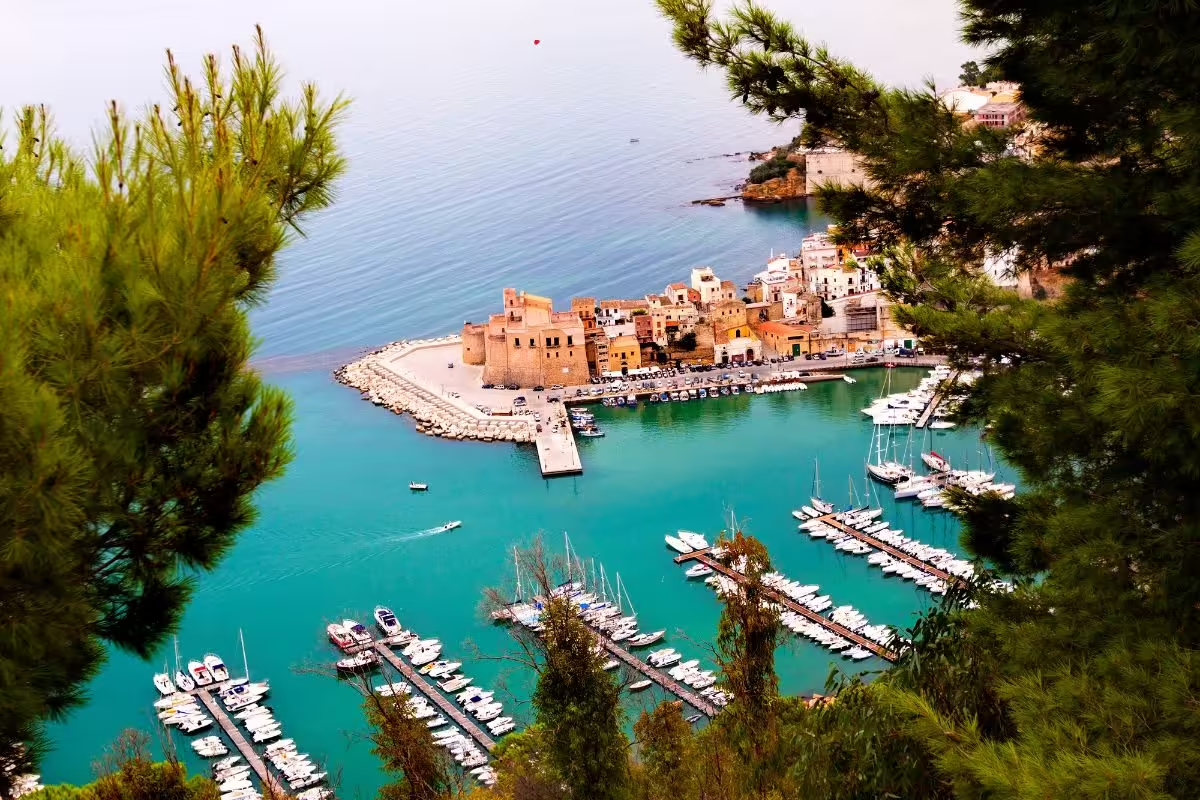
Your slow travel Italy itinerary might look as simple and generic as below, without stressing too much on details:
- Rome (5-7 days): Visit several markets, learn at a few local workshops, and explore ancient history.
- Florence (5-7 days): Explore Renaissance art, enjoy long meals at trattorias, and take strolls through the city.
- A Tuscan village (7-10 days): Take cooking classes, visit vineyards, and hike the countryside.
KISS (Keep It Short and Simple) for Slow Travelers
- Select Accommodations Wisely: Choose places that feel more homely and connect you to daily local life.
- Pack Light and Right: Bring versatile clothing and be prepared for various activities.
- Be Flexible: Make room for unexpected discoveries and experiences.
I remind myself that slow travel is not just about movement. Rather, it’s a state of mind that invites a more authentic and enriching journey through Italy.
Exploring Slow Food Travel In Italy
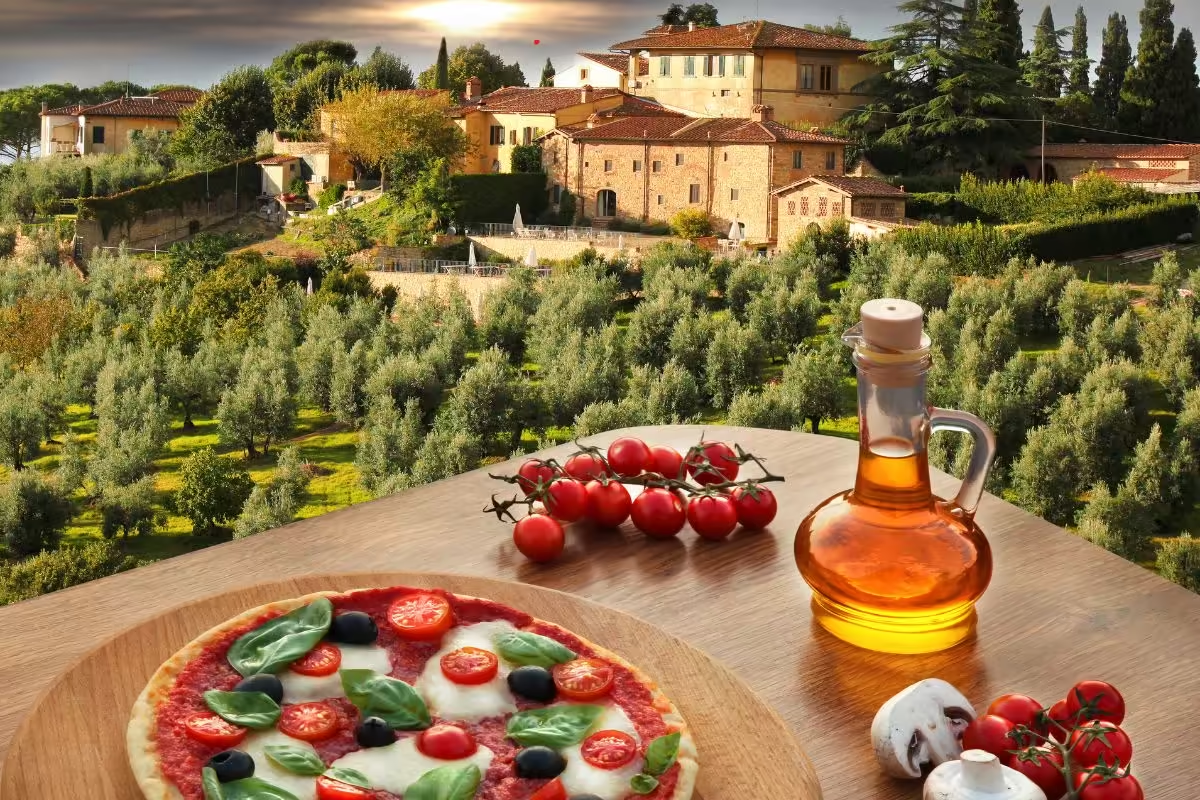
Slow Food Movement in Italy promotes sustainable agriculture and preserves regional cuisine.
Slow food travel Italy is another interesting way of experiencing this destination. I’ll delve deeper into its history, core principles, and how it integrates with travel experiences in Italy.
Fun Facts About The Slow Food Movement
As a reaction to the fast-food industry’s impact on local food culture, Carlo Petrini started the Slow Food Movement in Italy in the 1980s.
The movement protested the opening of a McDonald’s store at Rome’s Spanish Steps.
It was a rallying cry to protect Italy’s culinary traditions from erosion. Slow Food has evolved into something more over the years, uniting millions of people in over 150 countries.
A slow foodie follows three core ideals:
- Good: The quality of food should be a universal right. Good food is delicious, natural, and part of a local cultural identity.
- Clean: The production of food should not harm the environment. Sustainable farming and production methods are paramount.
- Fair: Producers should receive fair compensation for their work. The movement advocates for equitable trading practices.
Slow food practice is a great way to explore the roots of slow travel and experience Italian culture and tradition. Some ways I embrace slow food travel Italy are:
- Eataly Artisanal Products: I recommend visiting one of the 37 Eataly locations worldwide, with a few based in Italy. Here you can find and savor products that embody the Slow Food ethos.
- Local Producer Support: Travelers should eat locally to support regional producers. Choosing regional products promotes farm-to-table and reduces the carbon footprint.
- Countryside Escapes: Go beyond cities to experience the best of slow holidays. I find the countryside — from Piedmont to Umbria and Tuscany — offers the perfect backdrop for slow-paced exploration.
Finding Authentic and Local Places to Stay
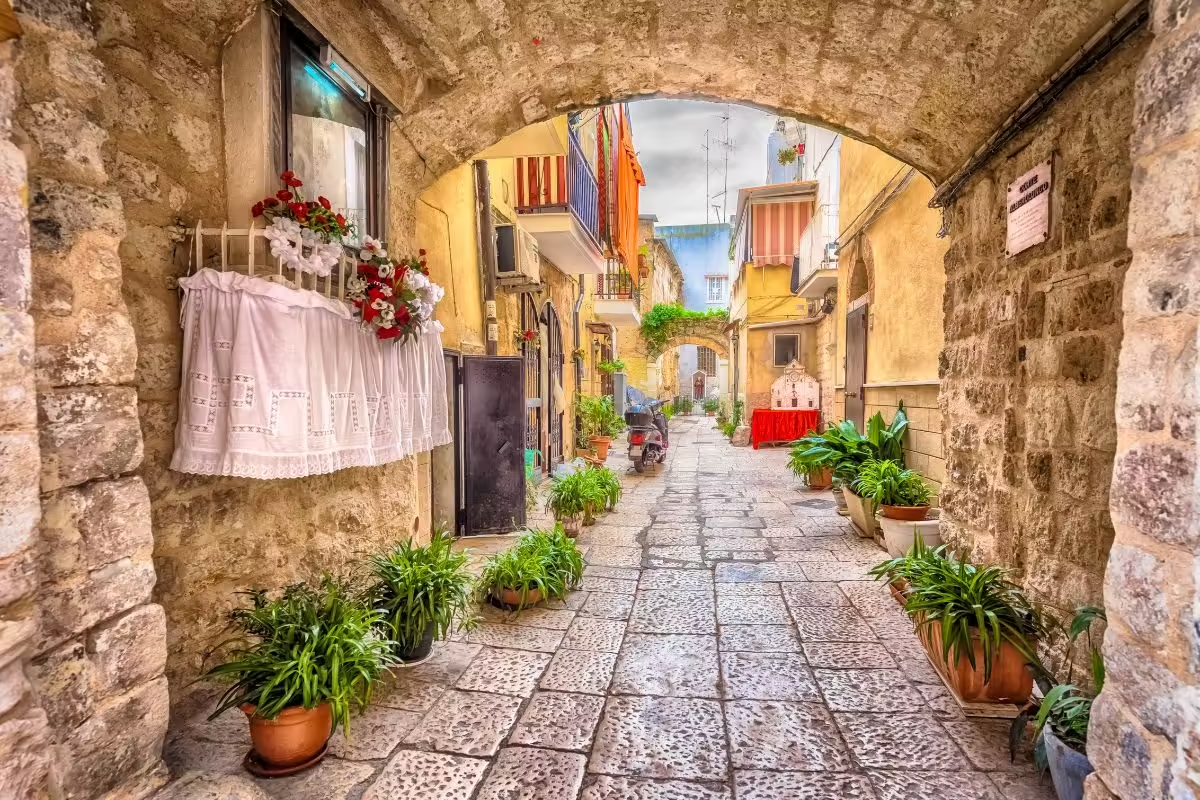
Choosing the right place to stay is key for a good slow travel experience. That’s why I prioritize finding accommodations that connect me more deeply with the places I visit.
When I search for accommodations, I look for properties that promise an authentic experience.
Highly recommended to stay in hilltop farmhouses, medieval village apartments, and seaview villas for a once-in-a-lifetime experience.
I agree because these types of housing have helped me connect deeply with local cultures in the past.
Some of my favorite stays were at:
- Apartment Dorotea – A sea-view apartment in Venice;
- La Casetta di nonna Olga-Chalet – A cabin in the Amalfi Coast;
- Gionas – Casas indipendente in zona strategica – A lovely apartment in Milan.
| Pro tips for scouting authentic accommodations: |
| 1. Connect with locals: Talk to residents and small business owners for personal recommendations. 2. Do your research: Check out reviews and travel blogs to find the best fit for your travel style. 3. Location, location, location! : Prioritize locations at the heart of communities rather than on the fringes. |
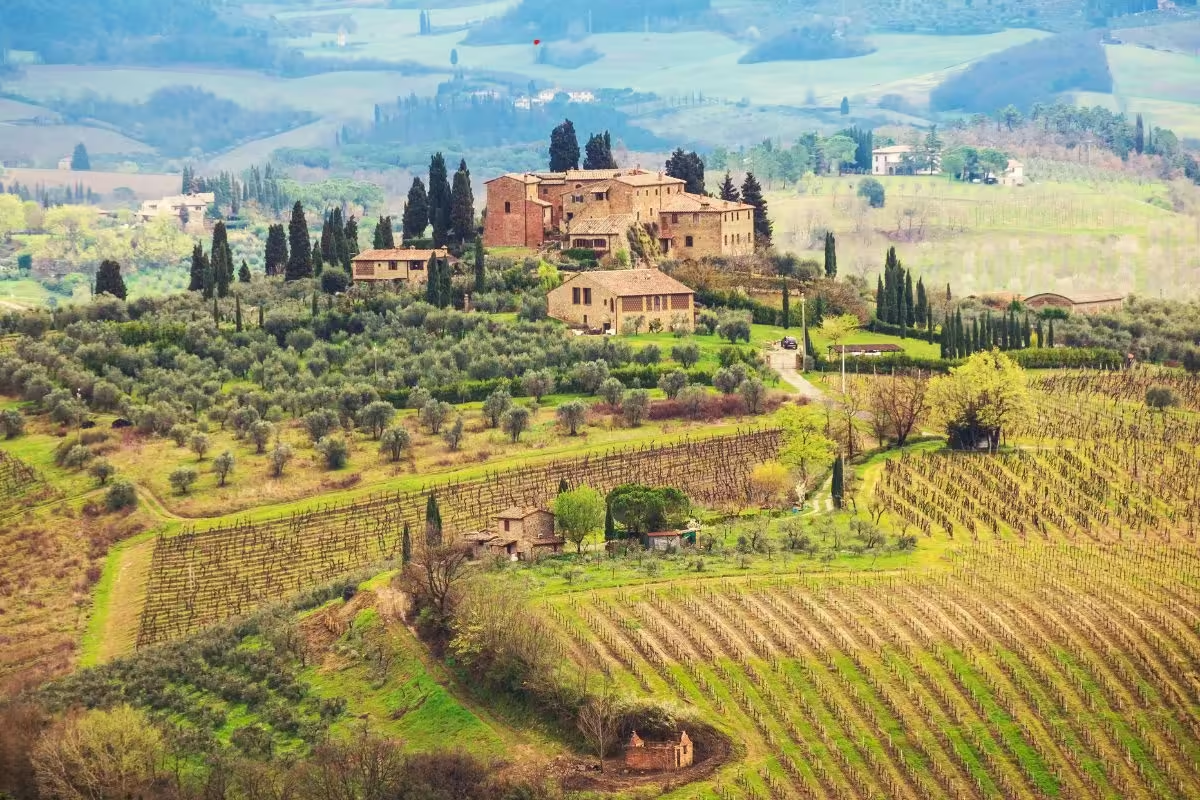
Working Farm Stay Italy
“Agriturismo” is the local term for a working farm stay in Italy.
And for me, it’s the perfect example of the slow travel idea. I’ve had the pleasure of staying in these family-run establishments and I learned about local farming methods, participated in olive picking, and savored meals made with fresh, on-site produce.
Characteristics of farm stays:
- Engagement: Opportunities to explore various agricultural activities.
- Education: Learning about local food production and sustainability.
- Gastronomy: Eating meals prepared with ingredients straight from the source.
Discovering Offbeat Italy
Popular hotspots like the Cinque Terre will always have their appeal but Italy still has a lot more to offer.
In truth, I didn’t know what to expect going off the well-trodden path either. But I took the risk and uncovered a side of Italy that’s as charming as it is surprising.
Italy offers a rich tapestry of landscapes and cultures ideal for slow travel. I’ll uncover the essence of various regions perfect for a slower pace.
Hidden Gems Beyond the Beaten Path
My top least-known discoveries in Italy are:
- Castelmezzano in Basilicata, offers a stunning vista that seems almost painted onto the sky.
- The peaceful lull of the Friuli-Venezia Giulia, with its mosaic of cultures, languages, and landscapes, feels like a secret just waiting to be discovered.
- In Sardinia, the nuraghi regals you with mysterious Bronze Age stone ruins dotting the island.
It’s these offbeat Italian destinations that truly capture the country’s heritage.
For more insights into the art of Italian slow travel, there are different resources that travel enthusiasts can explore.
From my experience, the rewards of seeing Italy’s lesser-known corners are generous and worthwhile.
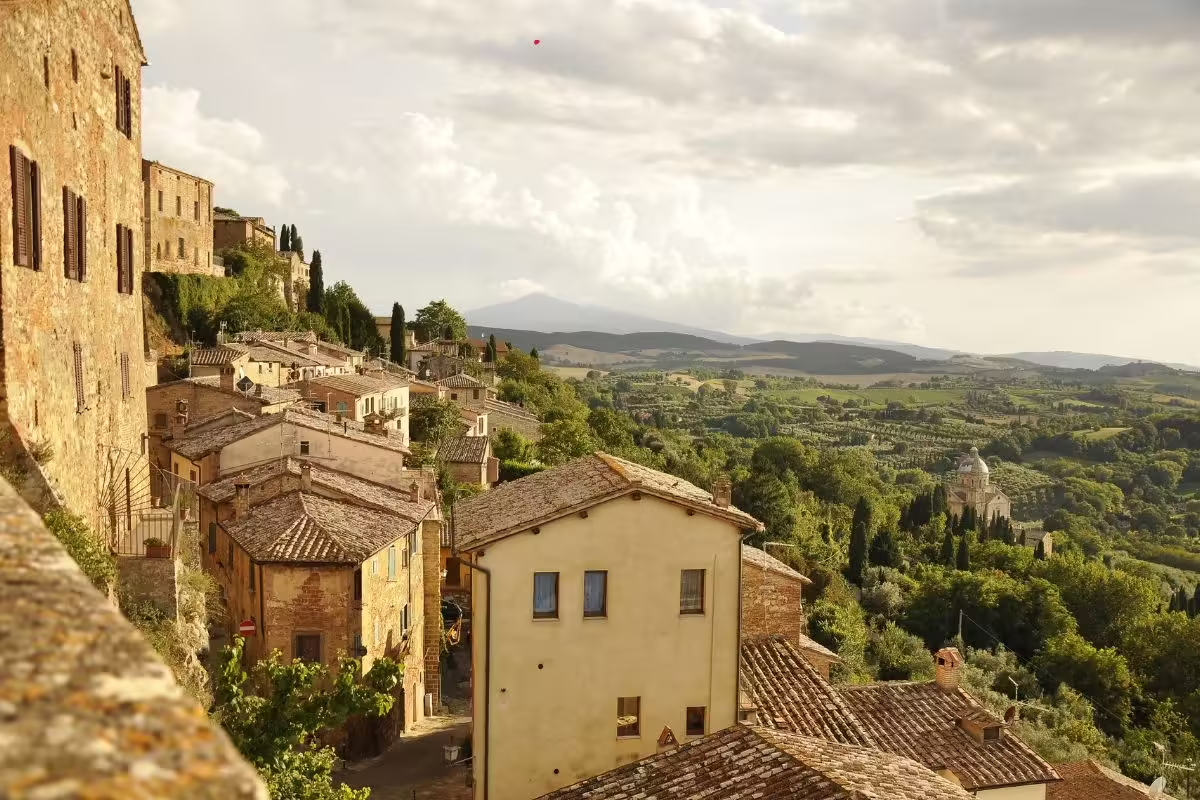
Slow Travel Tuscany
With its rolling hills and tasteful vineyards, Tuscany is the quintessential slow-travel destination for me!
I stayed at an agriturismo so I was able to sample everything from freshly produced wine and olive oil, to meeting local artisans and joining cooking classes, and meet local artisans.
In between my working farm stay Italy trips I didn’t miss the chance to see Renaissance art in Siena and Florence.
| Key experiences: |
| 1. Tasting sessions in local vineyards: 2. Cultural encounters in Tuscan villages. |
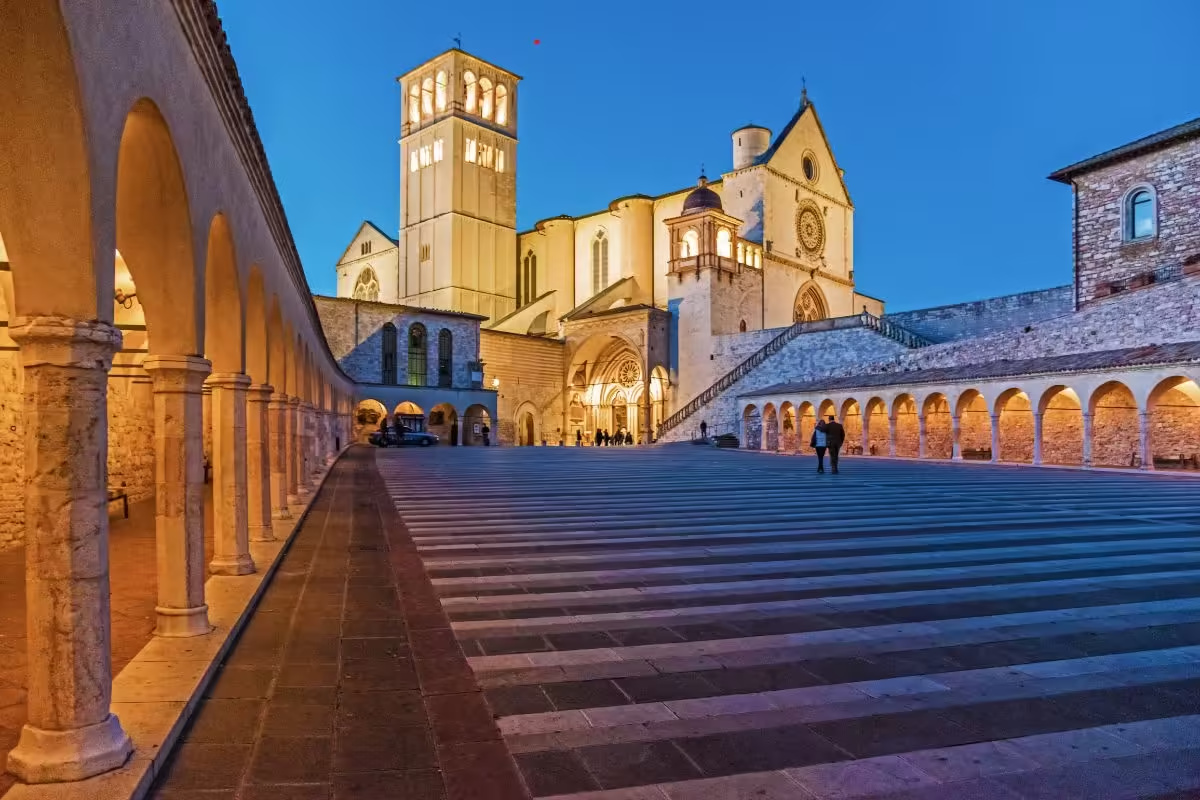
Slow Travel Umbria
Also fondly called the “Green Heart of Italy,” I’ve never seen another region with as many untouched landscapes and medieval towns.
I spent most of my time exploring pilgrimage routes like the Saint Francis Way and it was one of the highlights of my trip.
| Key experiences: |
| 1. Pilgrimage walks 2. Historical exploration in towns like Assisi and Orvieto. |
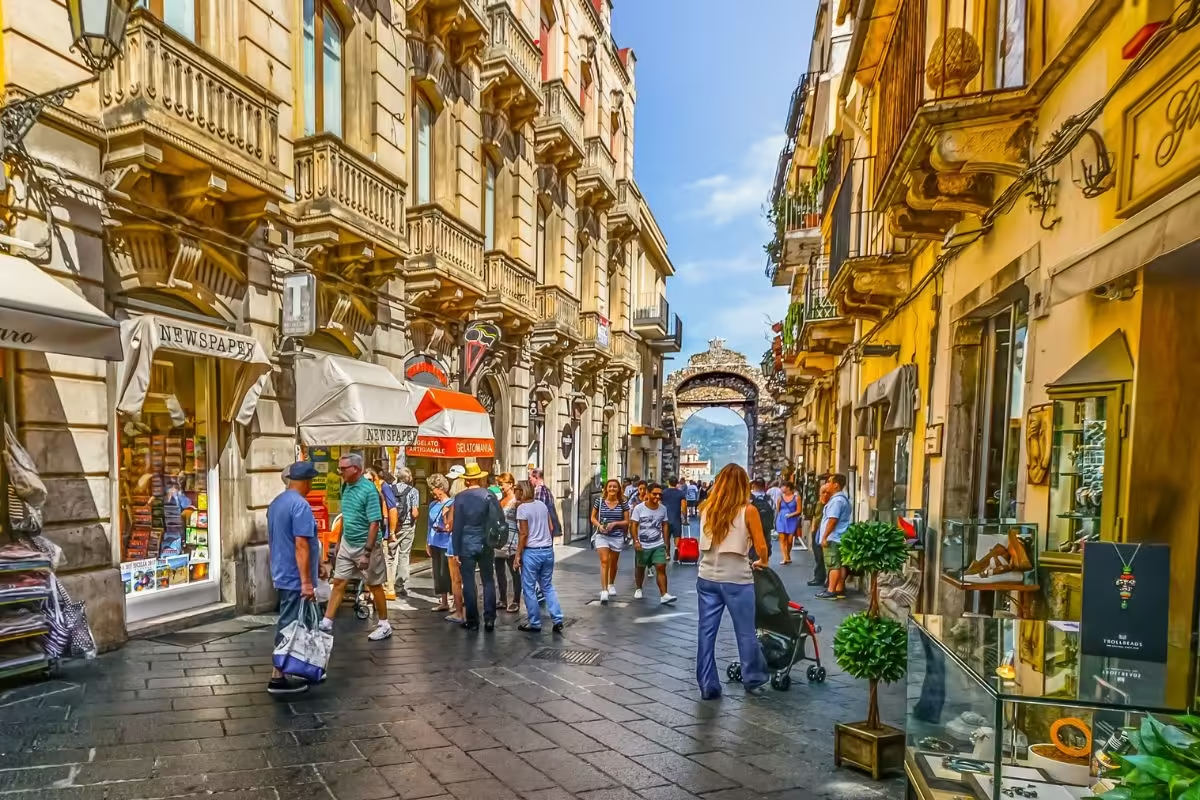
Slow Travel Sicily
Sicily appeals to me because of its combination of history, culture, and gastronomy. Italy slow travel here means strolling through bustling markets, exploring Greek and Roman ruins, and relaxing on quiet beaches.
| Key experiences: |
| 1. Architectural tours in the baroque old Archaeological site visits; 2. Culinary discoveries with a focus on local specialties. |
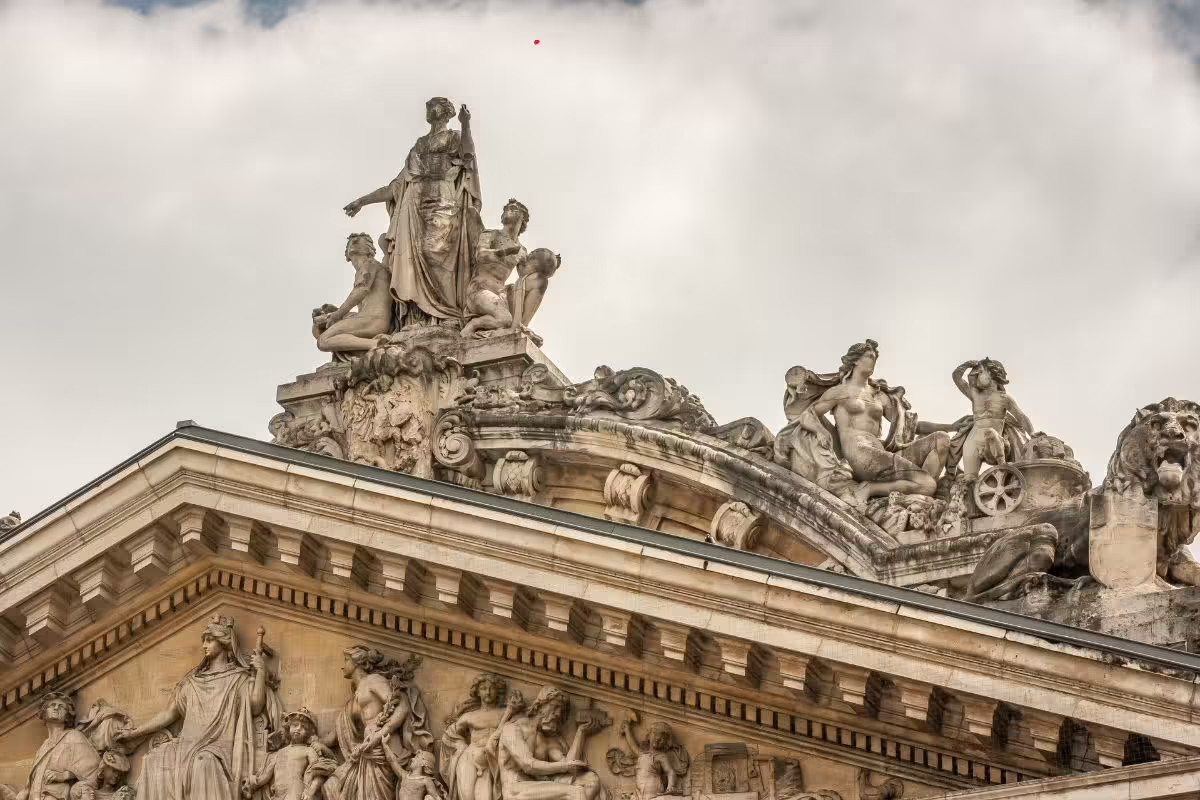
Charming Towns: Nardò Italy
Far from the tourist crowds, life in Nardò unfolds leisurely, allowing me to fully appreciate its historic centers and piazzas. I stroll through the streets, engage with friendly locals, and visit nearby natural attractions like the Porto Selvaggio Natural Park.
| Key experiences: |
| 1. Architectural tours in the baroque old town; 2. Nature walks in the surrounding Apulian countryside. |
Each destination can be a full slow travel Italy itinerary for you. I find that the true essence of each place comes alive when I take the time to embrace its unique rhythm.
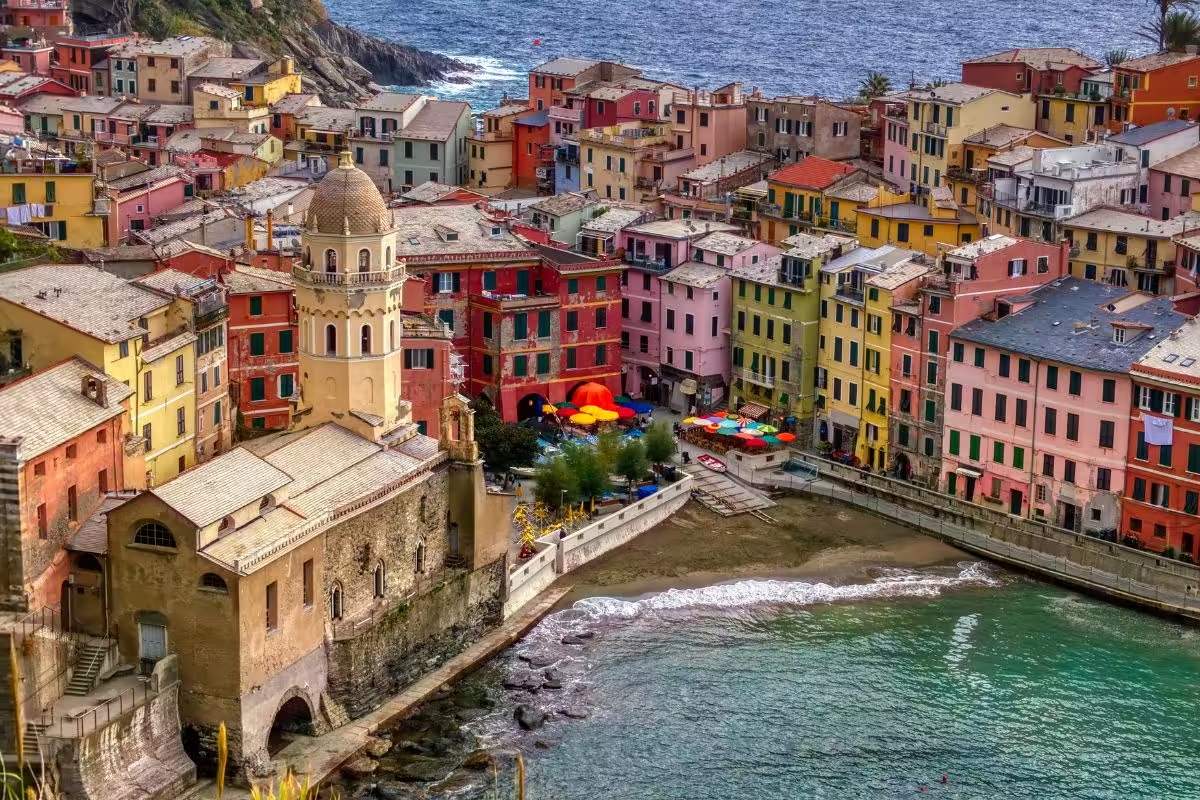
The Allure of Cinque Terre
Cinque Terre is a string of centuries-old seaside villages on the rugged Italian Riviera coastline that captures the essence of slow travel.
Each five town boasts a unique character, so you experience a different adventure with each location. Slow food travel in Italy means lingering in a café, savoring a glass of Sciacchetrà, and watching the sun dip below the horizon.
Cultural Immersion and Activities
I indulge in hands-on experiences like cooking classes where I learn to make traditional pasta, or I participate in local festivals that celebrate centuries-old traditions.
I spent much of my time with artisans who were more than willing to share their crafts. I learned everything from cheese-making in Tuscany to Venetian mask painting.
The charm of slow travel lies in these authentic interactions that allow me not just to see, but truly become a part of Italy.
Hiking or trailing is also one of the best ways to bask in nature’s glory.
I find myself gravitating towards slower life now, so I tend to choose longer, and less intense tracks and hikes.
I personally would go for meditation retreats so option 1 is the best for me. But you do what’s best for you.
I hope you find the list below useful! Let me know in the comments what type of activities you like to see more?
Online Resources for Slow Travelers
Online resources are a key part of my slow travel planning process. I need to know what to expect so I can spend my time wisely. Some of my favorite resources include:
Slow Travel Websites and Communities
I get the best advice and guidance from online platforms specially made for solo travelers. These websites carry information most relevant to me.
For example, I love Tripaneer and Viator because they are a treasure trove of knowledge when it comes to the top things to do in almost any location in the world.
To me, they are a great slow travel website resource because it gives me extensive detail into where I’m about to visit and what I should expect before my trip.
As a Type-A planner, trustworthy websites like these are a huge anxiety lifesaver. Goodbye anxiety meds!
Guidebooks and Slow Travel Books
Reading a good travel book can also be pretty helpful.
The right read (or audio!) offers more than itineraries and sightseeing; it dives into the art of savoring life’s moments.
I’m more of an audio gal so I very much appreciate narratives as heard from the insightful Wander Woman podcasts.
Frequently Asked Questions About Going Slow In Italy
What are the best regions in Italy for a slow travel experience for couples?
Tuscany is a truly romantic destination. Also, the Amalfi Coast offers stunning sea views and charming coastal towns perfect for taking it slow and savoring each moment together.
Which websites offer the best resources for planning a slow trip to Italy?
For authentic experiences and travel itineraries, the website Roads Less Traveled Italy offers personalized advice. Another comprehensive guide tailored to slow traveling is With Locals Italy, which provides insights into the Italian way of life.
What are the most effective strategies for Americans to experience slow travel in Italy?
Americans can fully embrace slow travel in Italy by staying in one region longer, engaging with locals, and taking part in cultural activities like cooking classes or language courses. Choosing accommodations in smaller towns or rural areas can also enhance the immersive experience.
Can you recommend any working farm stays that cater to the slow travel lifestyle in Italy?
I use websites like Agriturismo to find a great working farm stay in Italy where I can lodge and participate in agricultural activities.
How can visitors navigate Italy efficiently without relying on personal vehicles?
With Italy’s extensive rail network you can easily travel between major cities and towns. For travel within towns, I usually rent a bicycle or scooter..
What are the best months to slow travel Italy and avoid large tourist crowds?
For me, April to June and September to October offer the perfect balance for slow food travel Italy. During this time there are fewer tourists, great weather, and many local events that invite deeper cultural engagement.
