
What is Slow Travel and How to Embrace It?
I embrace the slow travel philosophy post pandemic. I wasn’t always a minimalist and slow-mad (also slow-nomad). Life took a turn when I was burned out from my last managerial role.
Then onwards, there were a lot of insomniac nights that led to my revelation and calling. I started taking things slow–from work, to thoughts, and then slowly, travel experiences.
So what does slow travel mean and why is it important?
In a broader sense, what is meant by slow travel is to truly immerse yourself within a location. Rather than rushing through sights, slow travel encourages spending quality time somewhere.
The goal is to soak in local rhythms and cultures, engaging with cultures and lifestyle to be a better global citizen. So here’s my ultimate guide to slow travel, specially for beginners like myself.
- What is Slow Travel and How to Embrace It?
- Why Slow Travel is the Best Way to Explore
- Slow Travel Costs
- How to Slow Travel: Planning The Slow Travel Adventure
- My Best Slow Travel Destinations
- Embracing Unhurried Journeys
- The Future of Slow Travel Exploration
- Frequently Asked Questions About Slow Travels
- What are some recommended destinations for slow travel?
- Which books can I read to learn more about slow travel?
- Are there blogs that focus specifically on slow travel?
- What companies offer tours designed for slow travel?
- What are some notable examples of slow travel itineraries?
- What are the main benefits of choosing slow travel over traditional tourism?
- What are some great destinations for slow travel experiences?
Main Reasons To Slow Travel
- Becoming Part of Your Surroundings Living as locals and trying your best to blend in helps you appreciate nuanced aspects of daily life.
- Building Local Bonds: Connecting with locals provides insights into customs and traditions. Also, they’re the ones to help if any emergencies.
- Supporting Sustainability: Thoughtful choices aim to boost local economies, minimizing environmental impact.
To embrace the art of slow travel, I build flexibility into travel plans. I leave room for the natural discovery of unique places and experiences.
Choosing accommodations reflecting local culture and savoring regional cuisine are essential elements of my slower-paced travels.
Actionable Steps for Slow Travel
- Longer Stays: I book extended trips within one location, thoroughly engaging with that place.
- Local Involvement: Participating in community events and shopping local markets helps immersion.
- Present Living: Scenic routes, walking or cycling, simply being present without rushing enriches the experience.
Through this slow travel approach, my journeys prioritize profound experiences over destinations checked off a list. Favoring quality over quantity yields richer, more insightful travel memories.
Embracing the Slow Travel Lifestyle
For me, slow travel extends beyond my trips. It shapes my daily lifestyle, even while I am moving from place to place.
- Mindful Packing: I pack light with versatile, essential items. This reduces stress and environmental impact.
- Local Interaction: Learning the local language and customs shows respect. It enriches my travel in meaningful ways.
- Food Choices: I savor authentic cuisine at neighborhood eateries and markets. Delicious meals often lead to delightful encounters.
- Time Management: I give myself unhurried time – to linger over coffee and stroll through parks. This is a luxury.
Following these practices means my travels are about the stories created en route, not just the destinations. Slow travel isn’t just how I travel, but a commitment to living fully in each moment.
Why Slow Travel is the Best Way to Explore
Is slow travel good? Or is slow travel sustainable? Many ask, and from my experiences, the answer leans profoundly towards ‘Yes!’ for both questions.
I found slow traveling really great. Not only that it helps lower environmental damage but it also promotes sustainable tourism which has a great impact on today’s society.
Let’s find out the benefits of slow travel which is totally worth it:
Conserve environment
It helps preserve nature by reducing carbon emissions. Traveling on land over short distances produces less carbon pollution, significantly stopping climate change. Going slower means using eco-friendlier options like trains or bikes instead of many flights.
Better manage resources
Staying longer in one place reduces demands on resources from high turnover tourism. This lets local places manage environmental resources better without getting overwhelmed.
Support local businesses
When I slow travel, my spending is spread out to local businesses, directly helping their economies. This really matters in countries like South Africa, where tourism contributes significantly to national finances.
Preserve cultures
Taking time to genuinely connect with local communities aids cultural preservation. South Africa has rich cultural diversity, and slow traveling deepens understanding and appreciation. This helps sustain traditions and ways of life.
Prioritize self-care
My personal well-being is enhanced when traveling slowly. The relaxed pace allows me to disengage and fully embrace the experience, leading to a more satisfying and enriching journey. I can immerse myself deeply in the local culture and surroundings.
Contributing responsibly
Adopting a slow travel lifestyle is beneficial and sustainable. It’s not solely about what I gain from my travels; it’s also about what I contribute. This mindful approach enables me to explore responsibly while minimizing environmental impact. It’s the optimal travel choice for me and the planet.
Slow Travel Costs
The financial aspects of slow travel fascinate me. So how much does it cost to slow travel?
This approach can significantly reduce expenses compared to faster-paced trips. By immersing myself deeply in each destination, I derive greater value and potentially substantial cost savings over time. The key is staying longer in one place.
Transportation and accommodation costs decrease with slow travel. I don’t purchase frequent flights or train tickets. Long-term rentals often have lower per-night rates than short stays. I can negotiate better deals for extended periods.
Budgeting for Slow Travel
- Transportation: Monthly passes instead of multiple single tickets.
- Accommodation: Discounted rates for more extended stays or cost-saving options like volunteering.
- Food: Cooking meals in a kitchen lowers daily food expenses.
I have learned that slower travel makes the journey more meaningful. I live like a local and have authentic experiences. Interestingly, slow travel means picking affordable options that give the richest experience. Sometimes, you pick a new skill or two along the way.
Here are the basic costs:
- Transportation: Often under 10% if using regional passes or personal vehicles.
- Accommodation: Can be 25-50% of budget, based on your choices.
- Food & Other: Around 20-30% of costs depends on local living expenses.
Ultimately, by traveling slower, my trips feel richer and my budget stretches further.
How to Slow Travel: Planning The Slow Travel Adventure
Slow travel lets me experience each place. I form meaningful local ties, savoring every cultural nuance at an unhurried pace. Let’s discuss crafting an itinerary embodying slow travel’s essence.
Building Your Slow Travel Plan
For my itinerary, quality trumps quantity. Rather than cramming locales, I select one or two to explore thoroughly. This ensures ample time to engage the community and fully experience each destination.
- Choosing Destinations: I pick places that intrigue me culturally or spiritually, avoiding typical tourist traps.
- Duration of Stay: My trips usually last a week or more in each place. I prefer longer stays over quick visits.
- Accommodation: I choose guesthouses or Airbnb rentals owned by locals. This helps me connect better with the destination.
- Activities: I pick a few key activities instead of cramming too much and leave room to explore freely.
- Transport: Trains and bicycles are my preferred modes of transport. They let me enjoy the journey itself at a leisurely pace.
This travel style weaves rich stories out of the places I visit and people I meet. The journey becomes a tapestry of meaningful experiences.
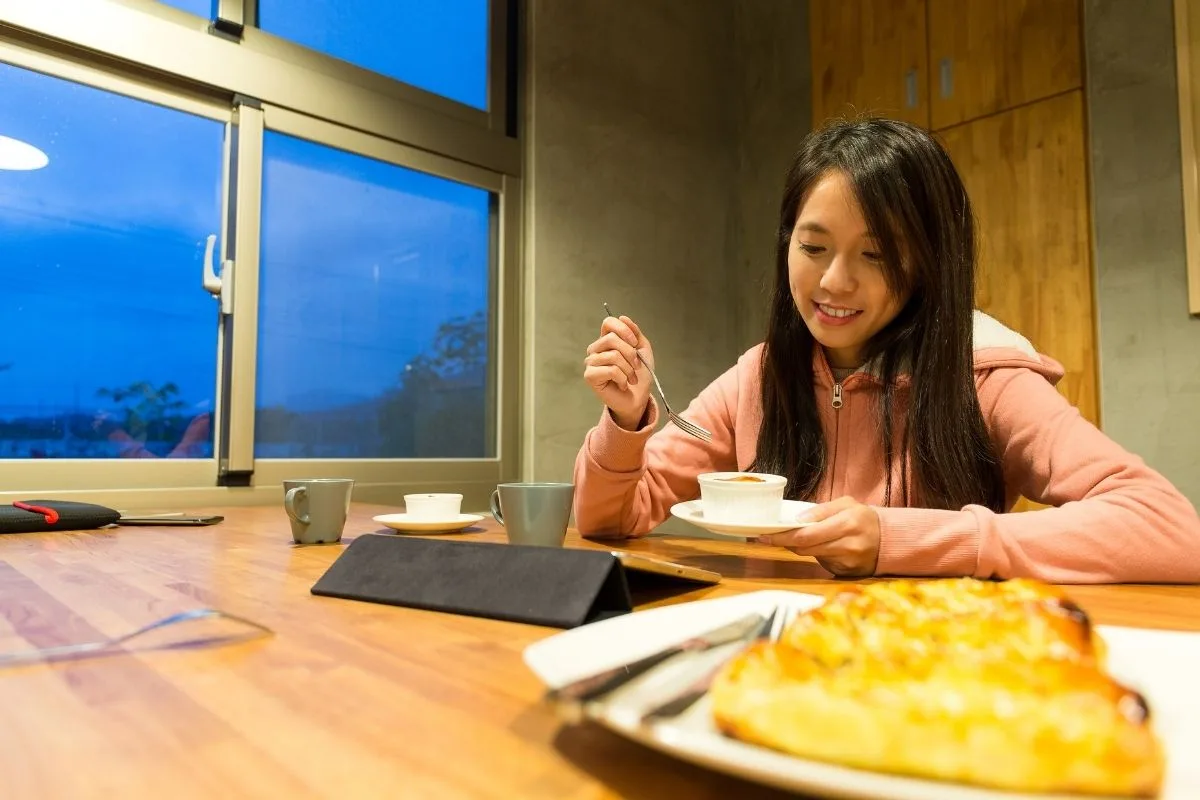
My Best Slow Travel Destinations
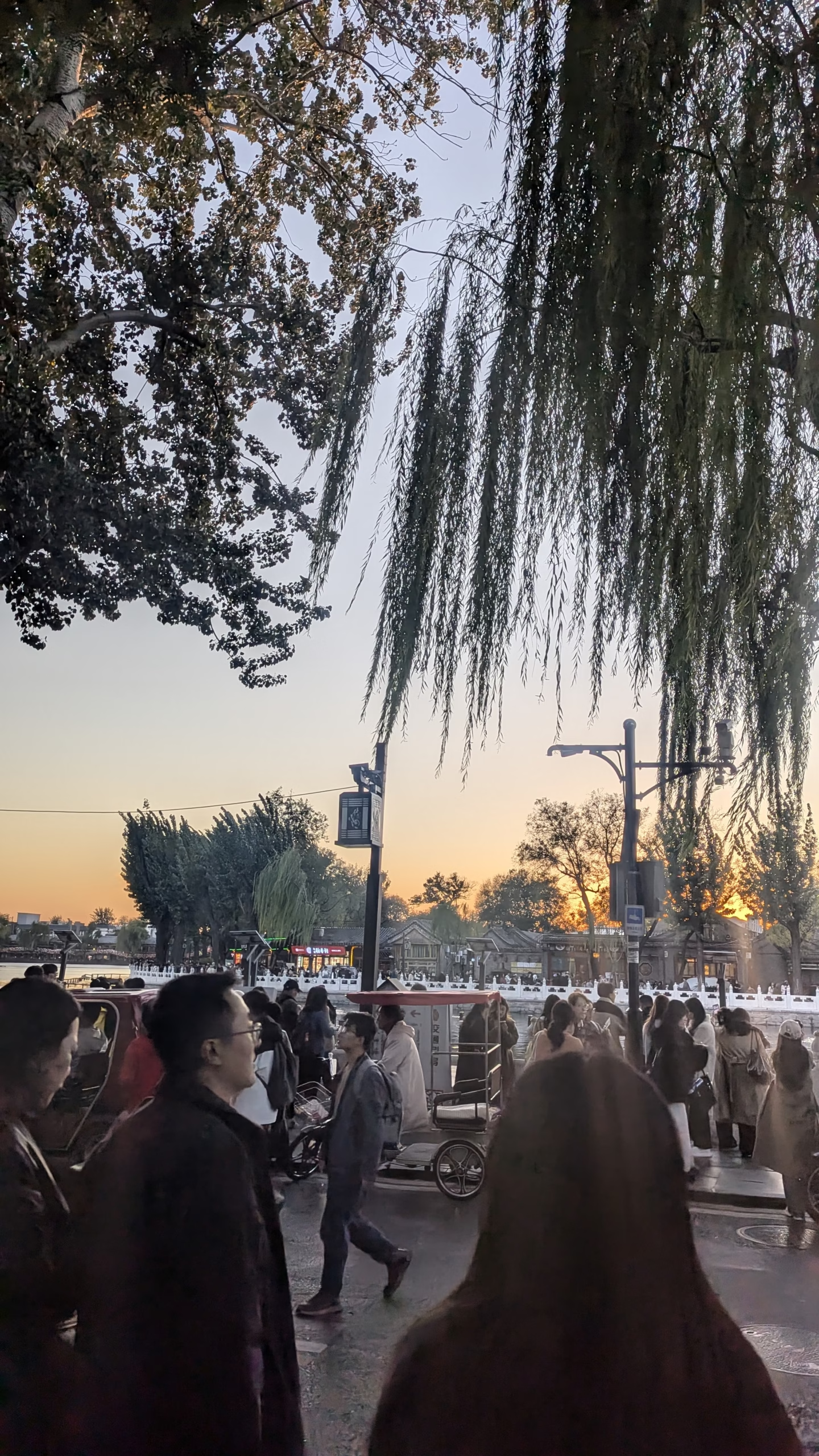
I’m someone who likes to “go with the flow.” I like to enjoy my trips at my own pace but also leave room for possibilities. While I mostly do East Asia these days (Korea, China, Japan, and Taiwan), I am still open to trips beyond my border. Here are some of my personal favorites and bucket list:
- South Korea
- Japan
- Taiwan
- Indonesia (only the islands, Bali not included)
- Vietnam (if you like bustling city, but somehow, the country’s vibes just doesn’t gel with me)
- China (my latest favorite! Even their mountains have 5G Internet – no joke!)
Keep in mind – I choose these places because of various reasons:
- I work remotely a lot so high-speed Internet is necessary for me.
- These countries have suburbs with high-speed Internet, whereas most European outskirts will unfortunately suffer from low-speed Internet.
- I need a fixed base– One place for one location to settle in and work in. I am in my late 30s so conserving energy is definitely important to me, which brings me to my next point…
- Plenty of comfortable and affordable stays for better options and prices. Nowadays, I choose private rooms even if I stay at hostels.
- Accessible to amenities (laundry, groceries) and transportation (bicycle, trains).
- My choice of destination also depends on whether my slow travel timeframe is longer or shorter. Long-term could take more than 3 months, and short-term as brief as two weeks.
So if you’re like me, give these places a try and let me know what you think in the comments. However, if you choose to go off-the-grid, there are other favorable destinations that suit your lifestyle goals. I sometimes visit quieter places for silent retreats as well.
Embracing Unhurried Journeys
In my quest for profound connections with diverse landscapes and communities, I’ve adopted an unhurried travel philosophy. This approach allows for deep immersion in local cultures and environments.
Real-Life Experiences
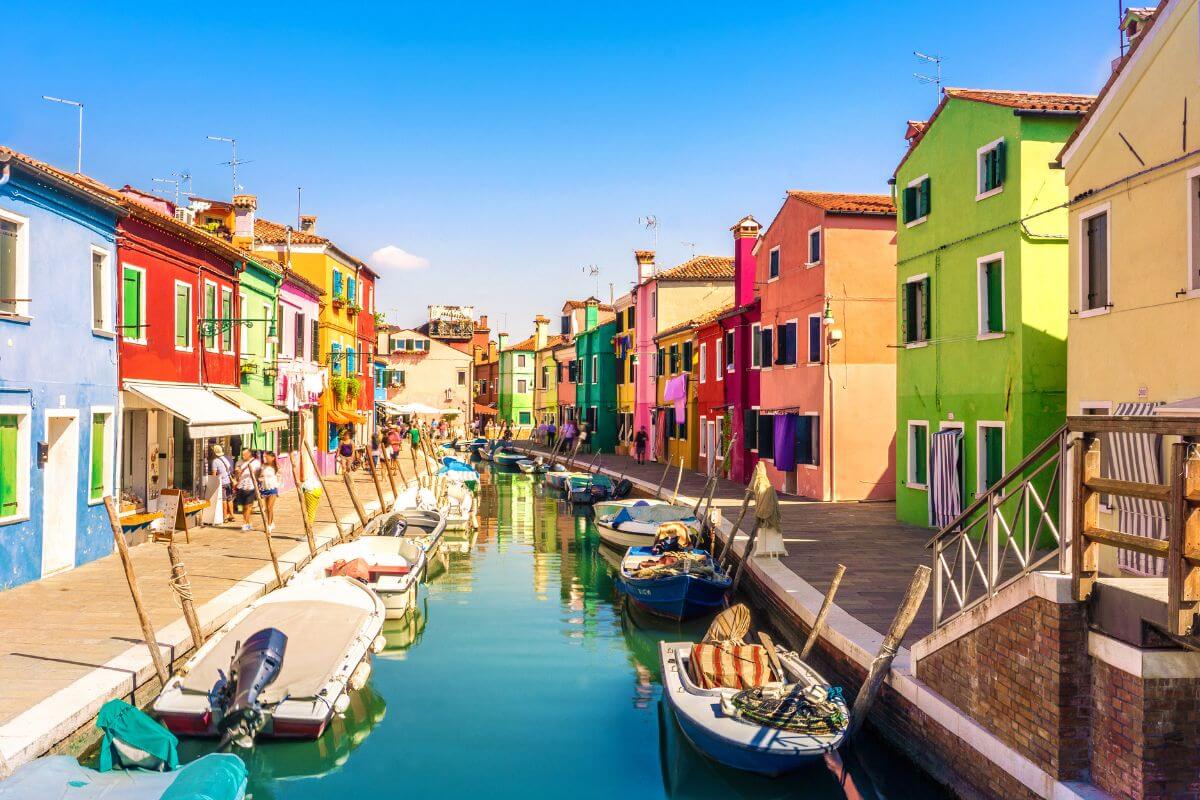
An Unplanned Month in Rural Italy
Once, I spent a month in a quaint Italian village without a rigid itinerary. Each day, the local rhythms guided my activities – learning traditional recipes from neighbors, helping with olive harvests, and making myself useful in their household.
This slow-paced lifestyle fostered authentic bonds and participation in the community’s daily fabric.
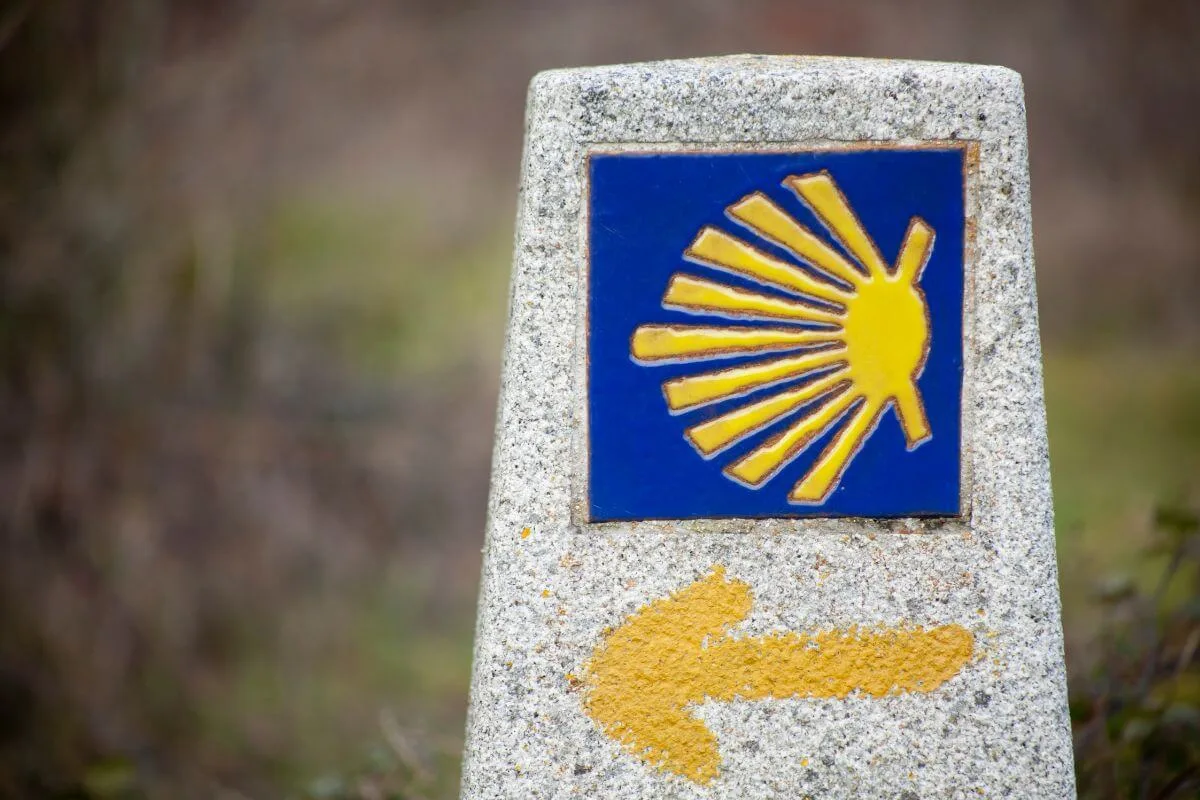
Pilgrimage Along Camino de Santiago
Another transformative experience was my trek on the Camino de Santiago. I journeyed at an unhurried pace, making time for reflection, interacting with fellow pilgrims and locals.
This pilgrimage transcended physical boundaries, evolving into spiritual and emotional exploration and such way of traveling slowly by foot has recently garnered quite a bit of attention online.
By embracing unhurried travel, I’m not merely a passing visitor; instead, I weave into the local tapestry, creating lasting memories and relationships that endure long after the journey ends.
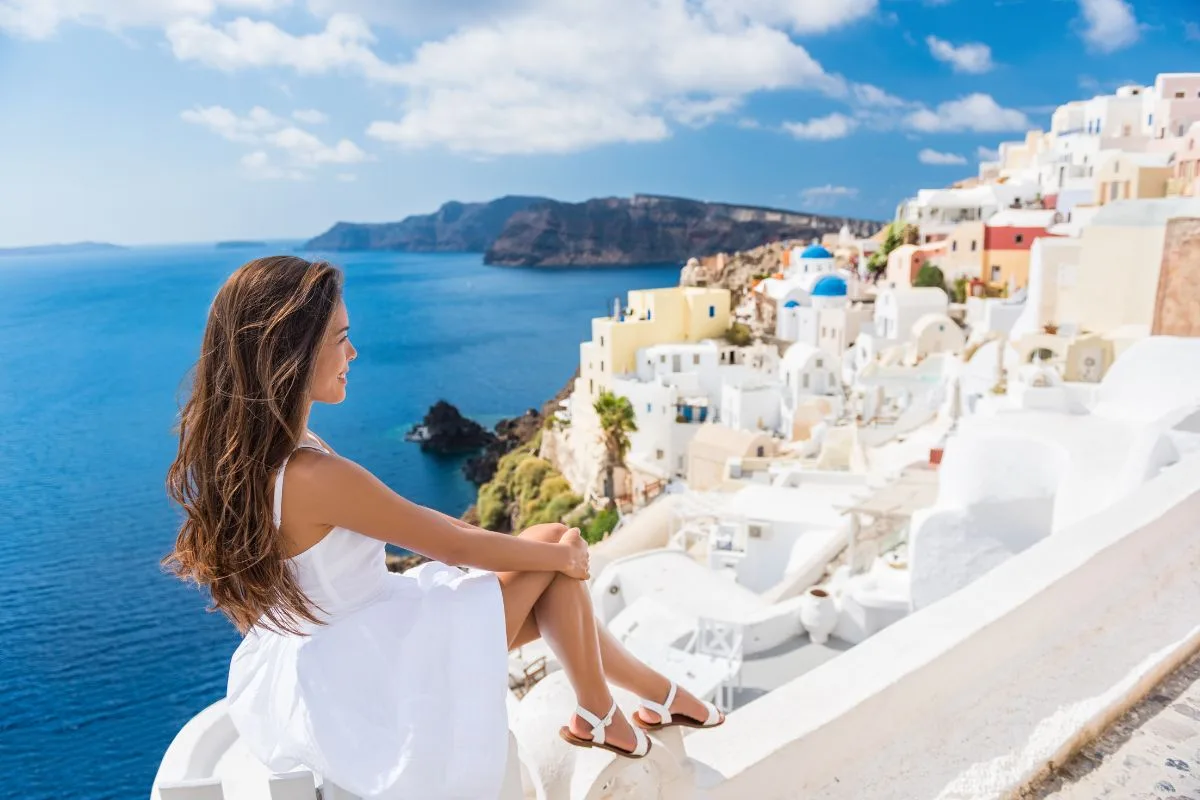
The Future of Slow Travel Exploration
Looking ahead, I foresee unhurried travel as more than a trend – a movement reshaping how we experience the world. With the growing popularity of the slow travel trend, it’s clear that more people are seeking a deeper and more mindful way to explore.
To experience slow travel, some straightforward steps can be helpful:
- Streamline your agenda, leave room for spontaneity. Go for depth over breadth.
- Connect with locals to understand their lifestyle, perhaps learning local phrases.
- Favor extended stays with local hosts for more immersive encounters.
- Support local businesses by dining at community eateries and buying handcrafted goods.
As we progress, I envision slow travel playing a pivotal role in sustainable tourism. Its inherent emphasis on meaningful, infrequent journeys will likely foster services tailored to slow travelers. This could encompass long-term accommodations and cultural exchange prospects.
Here’s a breakdown of the concept:
- Local Immersion: Prioritizing interactions with residents.
- Experiential Depth: Seeking activities that cultivate a deeper regional understanding.
- Environmental Consciousness: Considering carbon footprint and eco-friendly transport options.
Slow travel’s future shines brightly as an antidote to modern life’s frenzied pace. By embracing a more thoughtful, responsible way of exploring, I believe we can all contribute to richer experiences with a smaller ecological impact.
Frequently Asked Questions About Slow Travels
I’ve compiled some common inquiries to clarify slow travel and how to maximize it.
What are some recommended destinations for slow travel?
My destination recommendation often includes places where you can immerse yourself in the culture and lifestyle. For example, Tuscany in Italy, with its rolling hills and vineyards, is ideal for those seeking a leisurely pace and rich cultural experiences.
Which books can I read to learn more about slow travel?
To deepen your understanding, read books like “In Praise of Slow” by Carl Honoré, which broadly explores slow movement, or “The Art of Slow Travel” by Bhavana Gesota, which provides practical advice for slow travelers.
Are there blogs that focus specifically on slow travel?
There are blogs dedicated to slow travel, such as Worldpackers, which offer guides and personal narratives to enhance your knowledge of slow travel practices.
What companies offer tours designed for slow travel?
Companies like Intrepid Travel have crafted tours that emphasize cultural immersion and local experiences, reflecting the principles of slow travel.
What are some notable examples of slow travel itineraries?
An example itinerary might involve spending several weeks in a single region, such as the Amalfi Coast, with ample time for hiking, exploring local villages, and learning to cook regional dishes.
What are the main benefits of choosing slow travel over traditional tourism?
The upsides of slow travel? Making proper bonds with places you visit and the people there. Plus, there is less stress from too much rushing. And it’s often greener – you choose transportation more carefully, going less often but more thoughtfully.
What are some great destinations for slow travel experiences?
Personally, I adore Italy for its relaxed pace and rich culture. My time in Greece was also fantastic for slow exploration. I also recommend checking out Austria, Thailand, and Spain.

Great article! I really appreciate the clear and detailed insights you’ve provided on this topic. It’s always refreshing to read content that breaks things down so well, making it easy for readers to grasp even complex ideas. I also found the practical tips you’ve shared to be very helpful. Looking forward to more informative posts like this! Keep up the good work!