
Best Way To Slow Travel Greece
To immerse in the local culture, the best way to see Greece is to slow travel Greece.
This way of travel offers a unique experience that enables sustainable engagement with the environment and meaningful interactions with locals. It’s not merely sightseeing but understanding Greek traditions, cuisines, and landscapes at a deeper level.
| Slow Travel Destinations | Activities |
| Elati | Wildlife observation |
| Lafkos | Cultural exploration |
| Undisclosed islands | Peaceful retreats, gastronomy |
During the pandemic, I prioritized safety during my relaxed travel experience in Greece, diligently following all necessary health guidelines for a rewarding, safe journey.
Focusing on less crowded destinations provided additional peace of mind, giving me the best slow travel experiences in Greece.
For the ultimate slow travel experiences in Greece, I encourage venturing beyond classic tourist tracks.
Discover hidden islands’ charm and remote villages. Engage local artisans or savor traditional Greek meals at a village taverna – adding unique layers of journey that overlook the typical tourists’ mass experiences.
While slowly traveling through Greece, contributing to the local economy by choosing family-run accommodations and local eateries is empowering to me. I get to consciously play my part in sustaining the Greek economy.
This makes travel beneficial for the community and meaningful for myself. With a sustainable mindset, treading lightly on the environment leaves a positive footprint.
Disclaimer: This post contains affiliate links. If you buy using the link, you help put food on my table at no extra costs to you. I appreciate you.
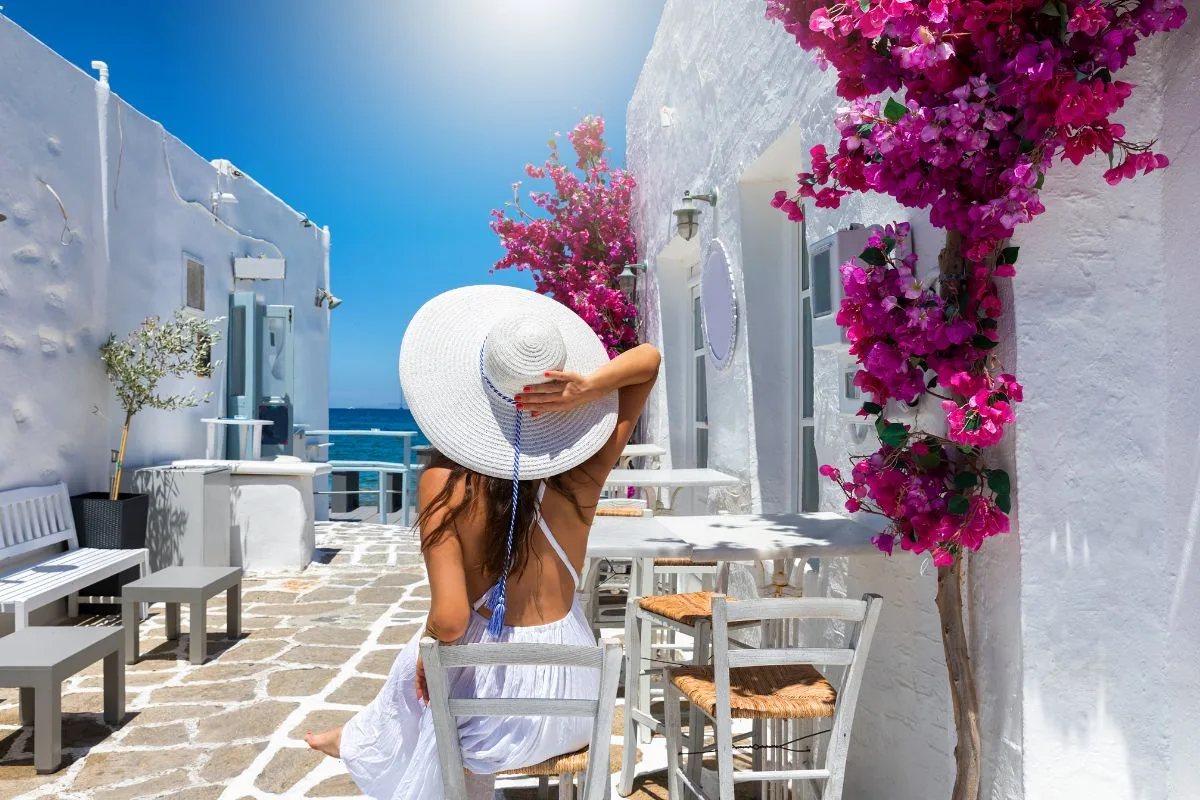
Plan Your Greek Slow Travel With Care
Slow travel allows immersion in cultures at leisure. Instead of rushing through attractions, my experiences became profound.
Authentic experiences await when I choose my destinations carefully. My list typically includes remote isles, mountain hideaways promising local traditions, and hospitality. Below are some of my favorite Greek islands.
Schedule Around Seasons, and Holidays
Often, I schedule for weather, events, or holidays. Spring and autumn suit outdoors to avoid heatstroke. But whenever you visit, the key is patience. Absorb sights slowly, mindfully. Don’t race, but savor each moment richly.
During these moderate-weather periods, I thoroughly relish hiking and prolonged outdoor pursuits.
So even though I might not have the best Greece itinerary for 2024, I always live by this rule of thumb and never go wrong– avoiding peak tourism times so you can enjoy travels at a more relaxed pace.
Transportation Options
Based on destinations within Greece, I opt for diverse transport modes. Domestic flights facilitate swift transitions between distant islands or cities.
In contrast, Greece’s extensive train network and long-distance “KTEL” buses serve as alternative options.
In Greece, ferry excursions often offer picturesque off-beaten vistas, similar to train journeys. Check out what Eurail has to offer for Greek Islands Adventure.
Perfect for slow travel enthusiasts like myself who wish to immerse in every aspect of the journey.
Renting a car might also suit my desire to explore secluded areas at my own pace, though it’s more financially prudent for group travel.
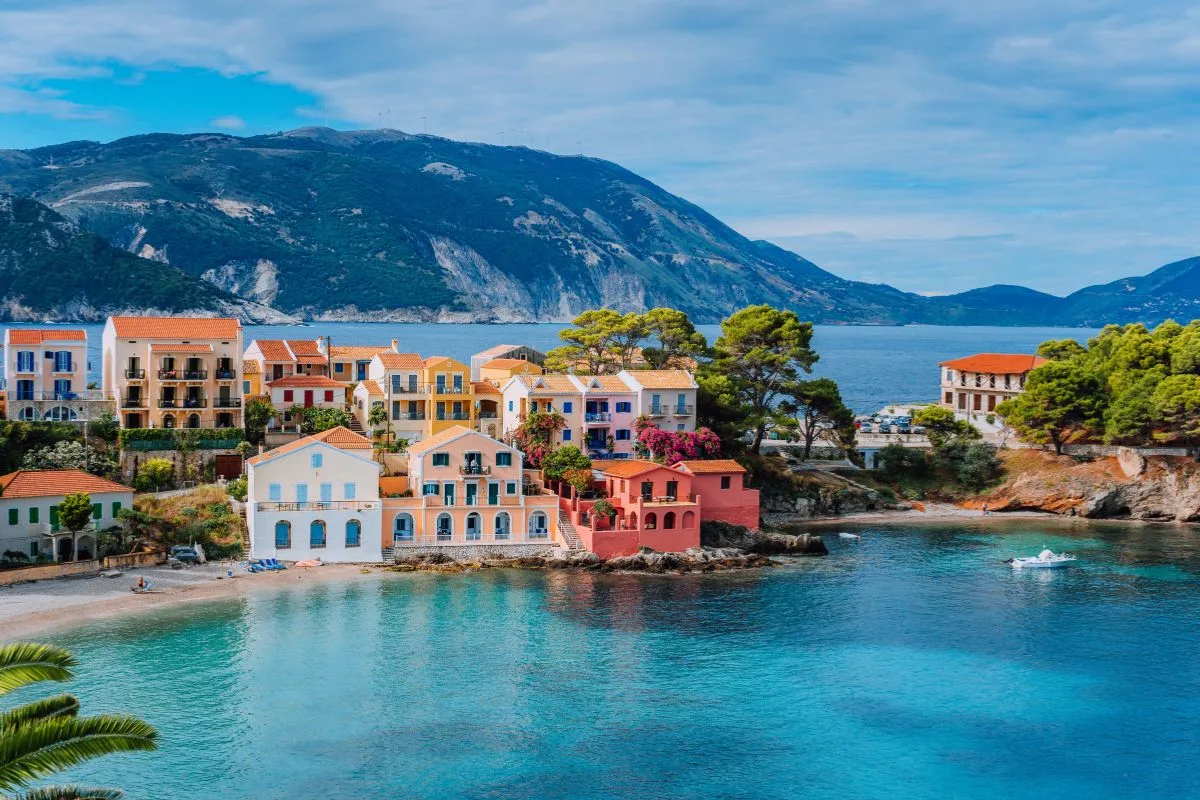
Uncovering Santorini Alternatives: Non-Touristy Greek Islands
I opted for Slow Travel Greece, professional local experts for some of my unique local excursions. I prefer hiring local guides over commercial tours because at least I know where my money goes–into the pockets of the locals.
Research in advance for ideal weather events (affecting crowds and timing). Sweltering summers suit island-hopping and beaches—pack cotton and quick-drying clothes.
Exploring Greece’s non-touristy islands offers an unparalleled serene journey—where I can immerse myself in rich culture, savor distinctive local cuisine, and partake in unique activities.
While Santorini captivates many visitors, Greece’s island tapestry offers quieter retreats. Explore these serene alternatives, where tranquility envelops each day, far from tourist crowds.
Typical hotspots fade as I unearth these secluded havens:
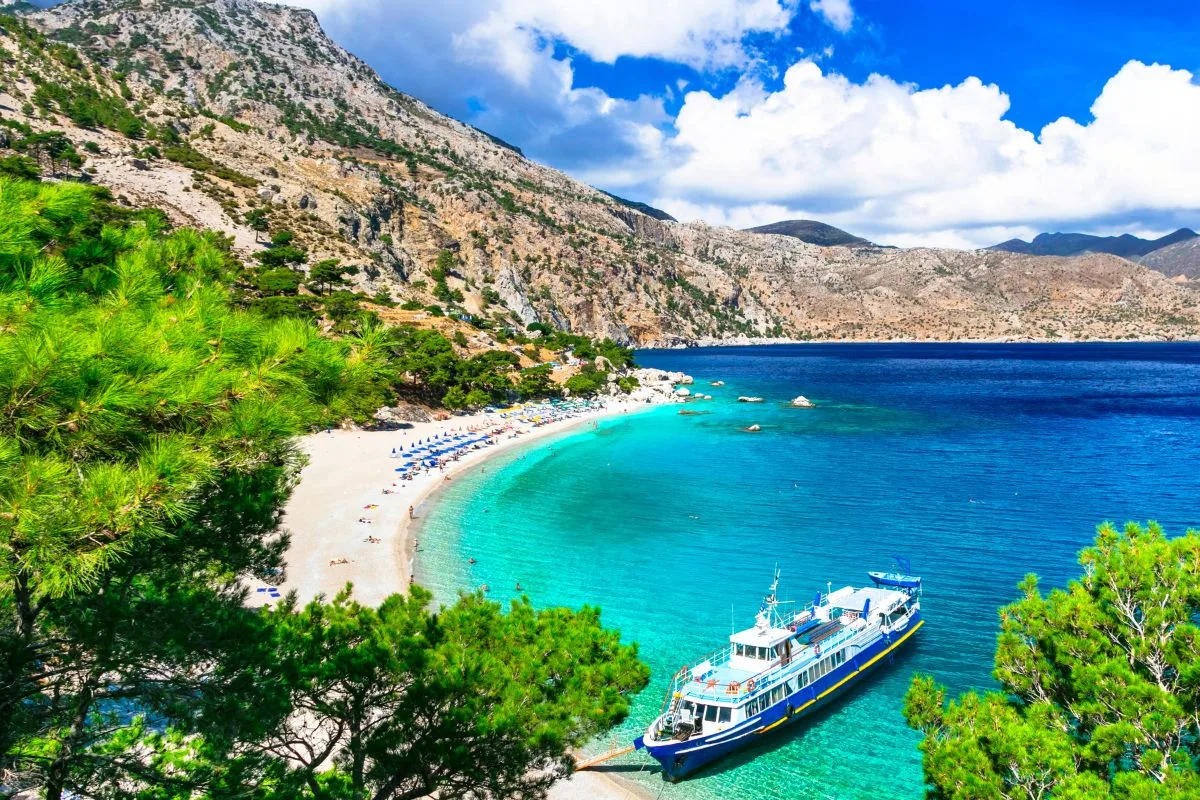
Karpathos
Imagine long, empty beaches meeting crystal-clear waters. It’s a swimmer’s paradise. But don’t miss the rugged, mountainous interior packed with hiking trails and traditional villages.
What to see:
Olymbos, a mountain village frozen in time. Unique architecture and locals sticking to their traditional ways. Chill at Apella beach for its fine white sand, turquoise water, and a crystal-clear seabed.
What to do:
Take a hike through the Olymbos Mountains. Stop for coffee and souvenirs in the village. Experience true island life by diving and snorkeling at Apella beach. Land and sea match made in heaven.
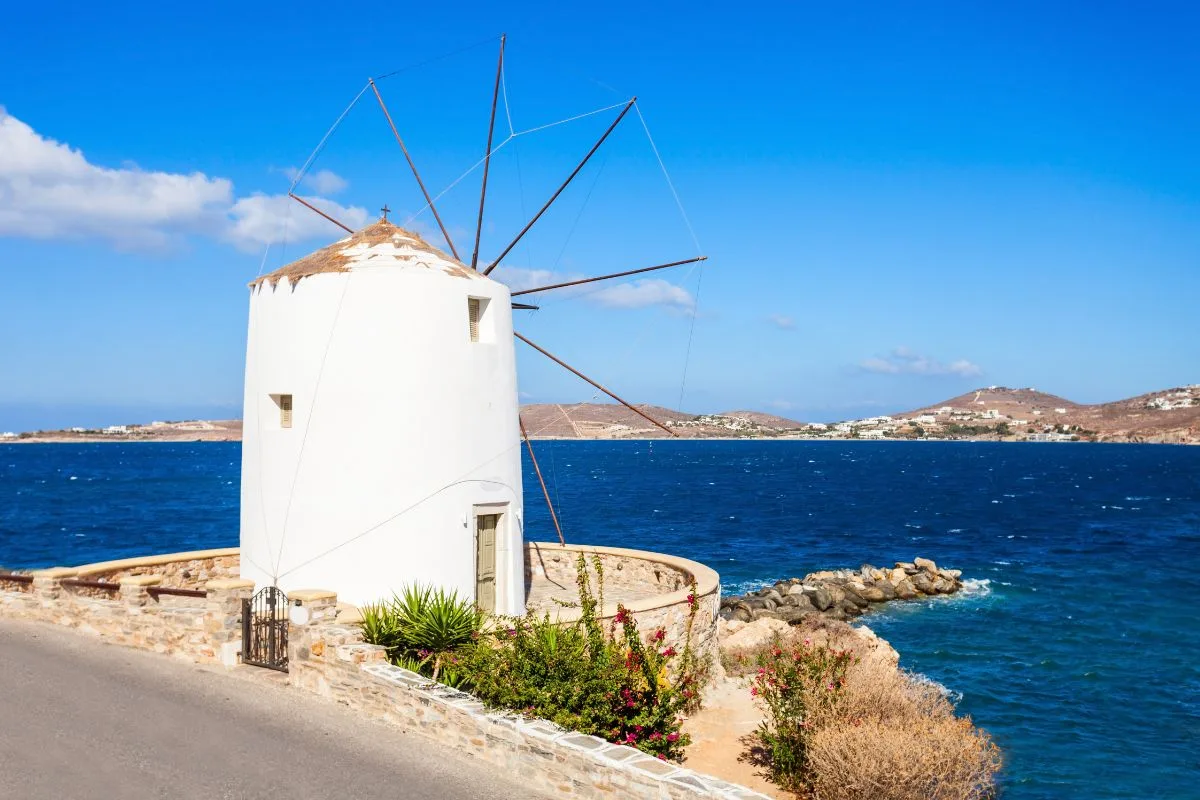
Paros
Though often mistaken for Poros, Paros is a lively Cycladic gem. Beautiful beaches? Check. Vibrant nightlife? Double check. It has the best of both relaxation and adventure.
What to see:
The Church of Panagia Ekatontapiliani. This Byzantine marvel will leave you awestruck with its stunning architecture.
What to do:
What to do: Rent wheels and go exploring. Discover hidden coves and quaint villages. Stop for leisurely meals along the way. When at the beach, go on a windsurfing adventure.
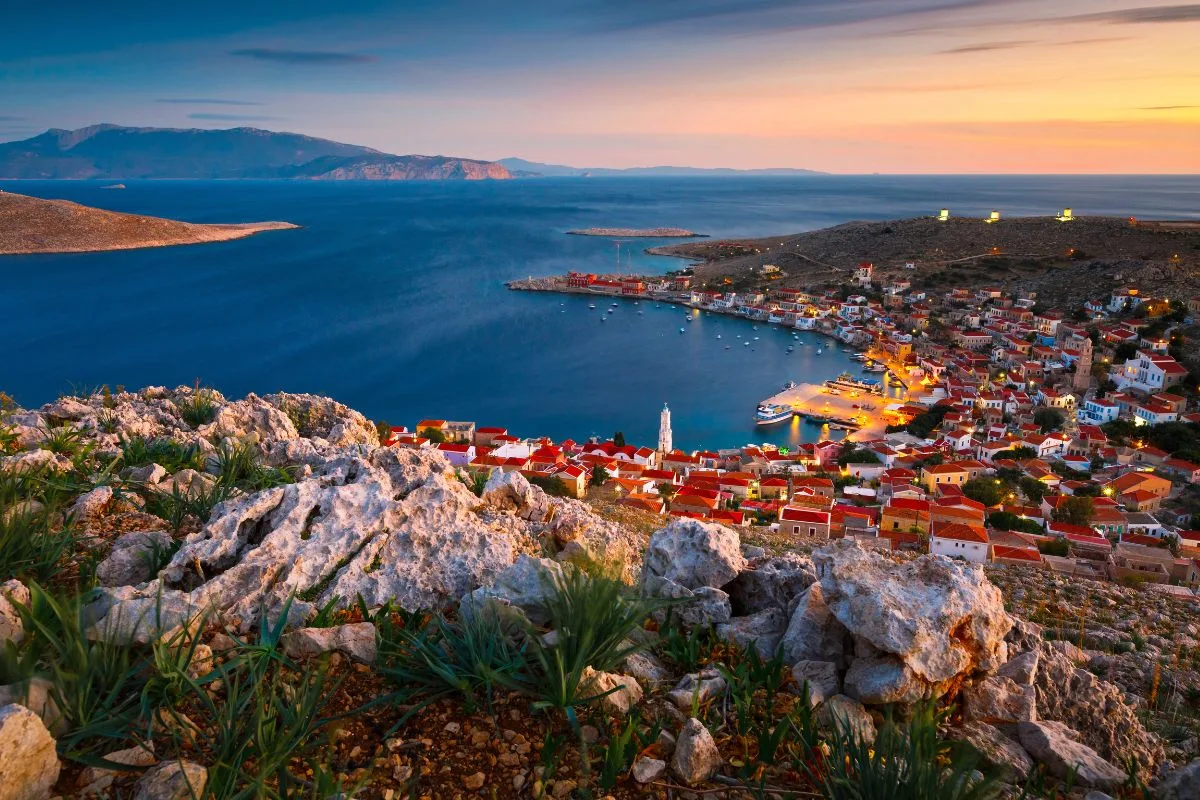
Halki
One of the Dodecanese bunch. Known for its laid-back vibe, warm locals, and beautiful beaches with incredibly clear waters.
What to see:
The island’s Venetian castle offers jaw-dropping panoramic views.
What to do:
Discover hidden coves for swimming and snorkeling. Savor fresh seafood at relaxed harbor tavernas. Wander the island by foot or bike.
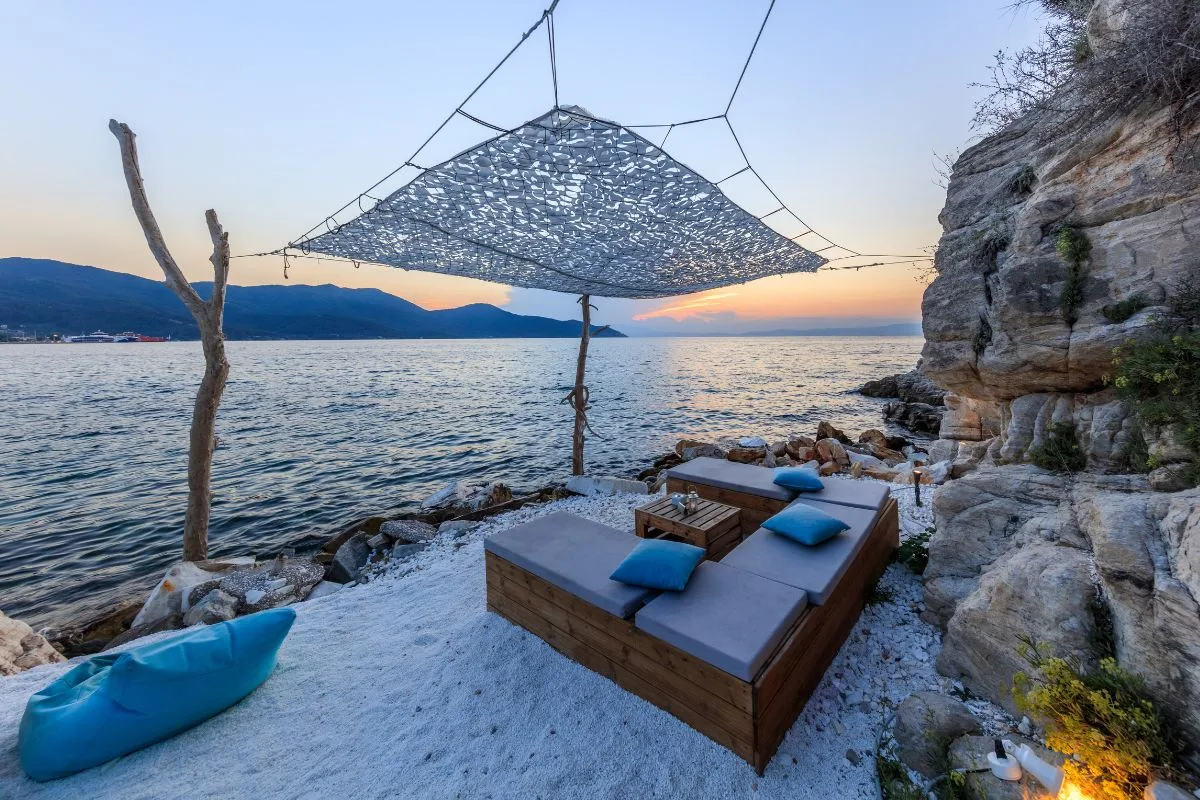
Thassos
Situated in the north of the Aegean Sea, renowned for the green forests, traditional villages, and attractive marble beaches it hosts.
What to see:
Uncover Ancient Thasos’ archaeological wonders from the 7th century BC.
What to do:
Visit traditional villages and hike its lush forests.
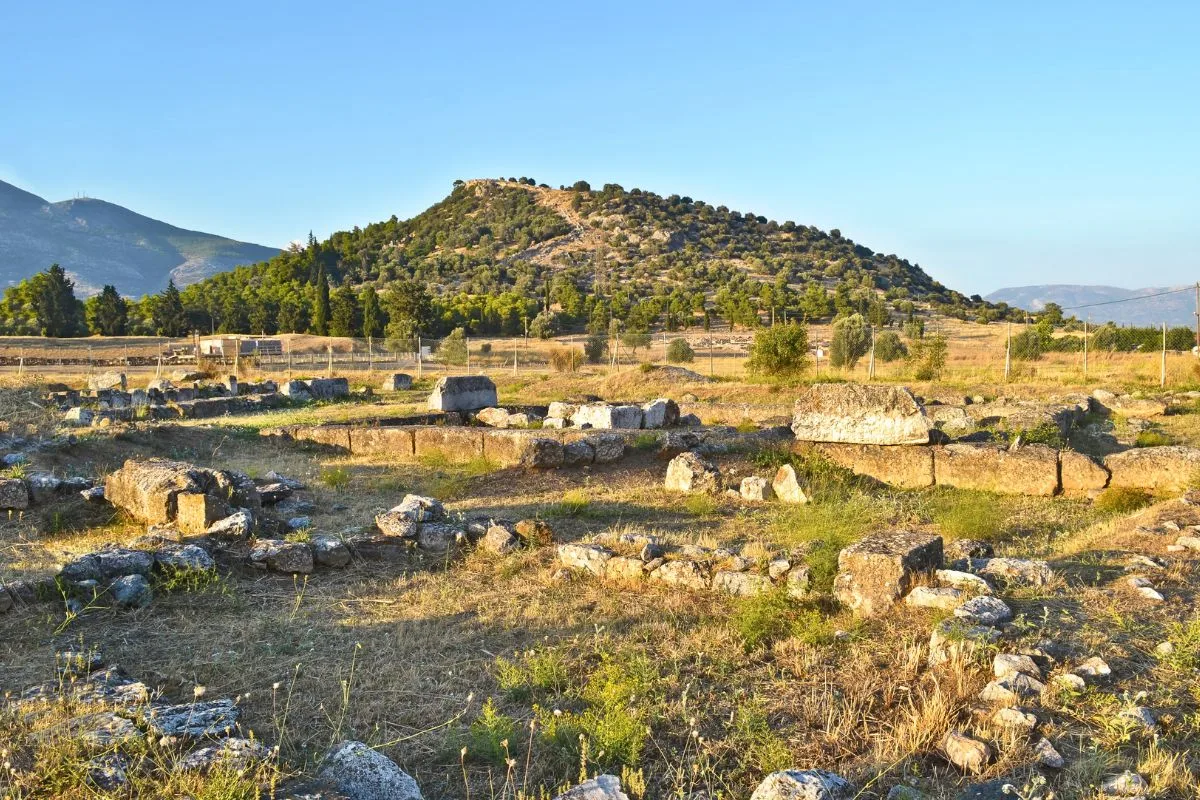
Eretria
A mainland coastal town near Athens. Boasts ruins, beaches, and cozy tavernas. An intriguing ancient Greek city ruin site.
What to see:
Tour the incredible archaeological ruins of Eretria.
What to do:
Relax at the beach in Eretria. Indulge in fresh seafood delights at a local taverna.
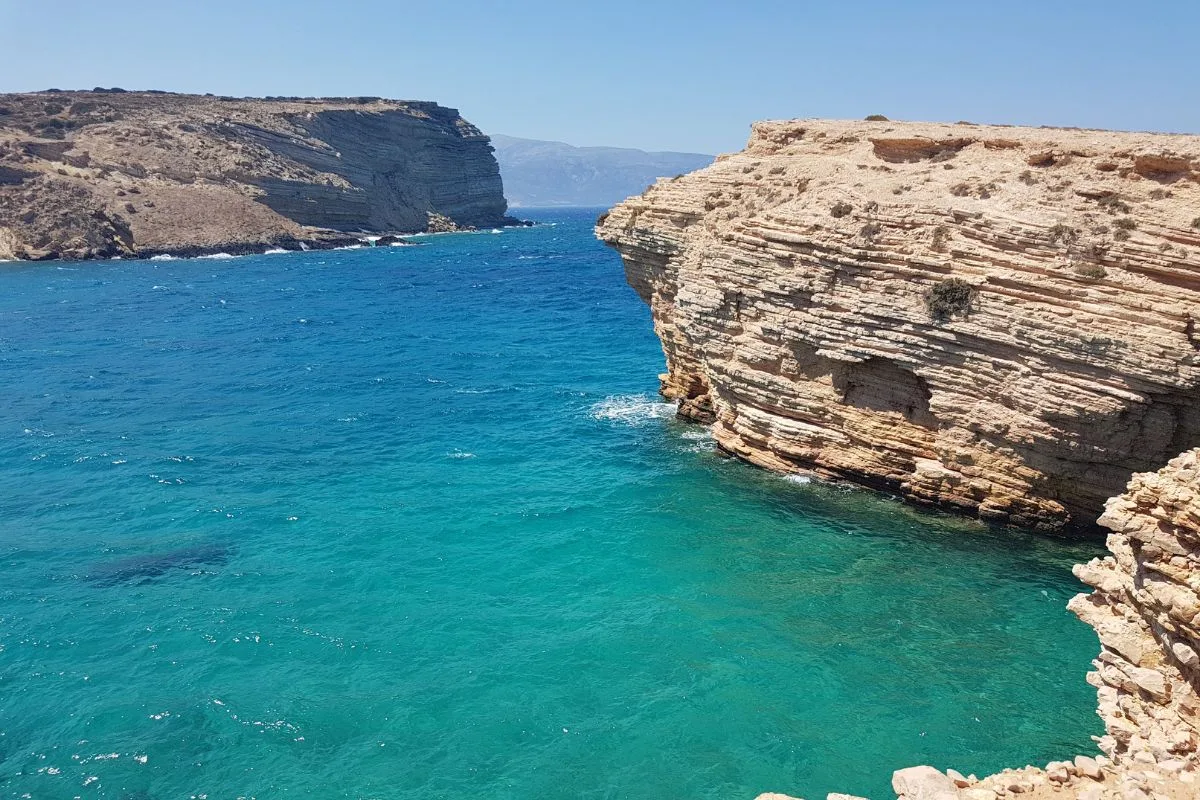
Koufonisia
Two idyllic Cycladic isles with unspoiled beaches, crystal-clear waters, tranquil vibes. Ideal for contemplative solitude or intimate escapes, it emanates magical allure.
What to see:
Unwind on the beach. Picturesque Pori and Italida beaches beckon.
What to do:
Swim in sparkling waters. Savor a leisurely meal overlooking the Aegean at a seaside taverna. Uncover its essence through hikes, long relaxing walks and who knows, if you’re lucky you might stumble upon the Mediterranean monk seals, an endangered species.
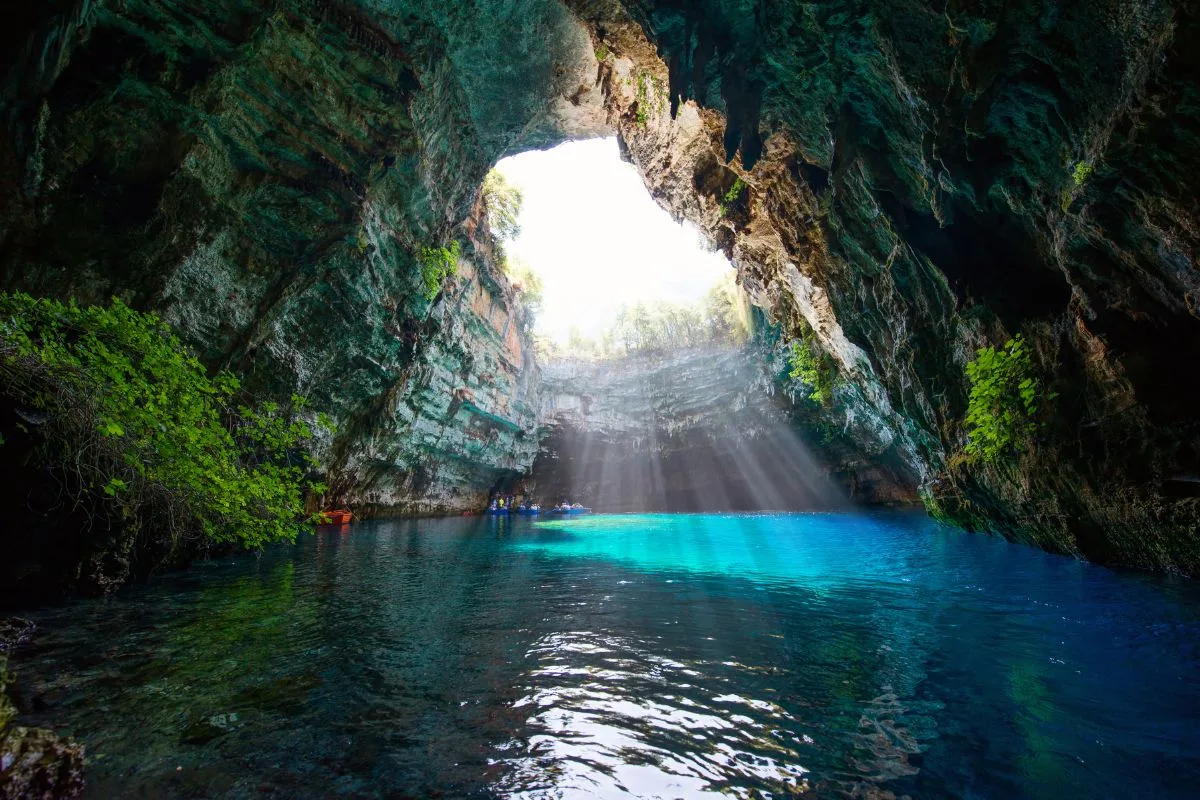
Kefalonia
Also known as Cephalonia, the largest Ionian isle. Dramatic landscapes, sublime beaches, Venetian fortresses. Ideal for relaxation or exploration. Myrtos flaunts white sands, azure seas.
What to see:
Rent a car or hire a private taxi. Discover Kefalonia’s myriad beaches–Myrtos Beach for its white sands and turquoise waters, as well as local villages and underground caves.
What to do:
Stop for winery tastings. Indulge in irresistible local cuisine.
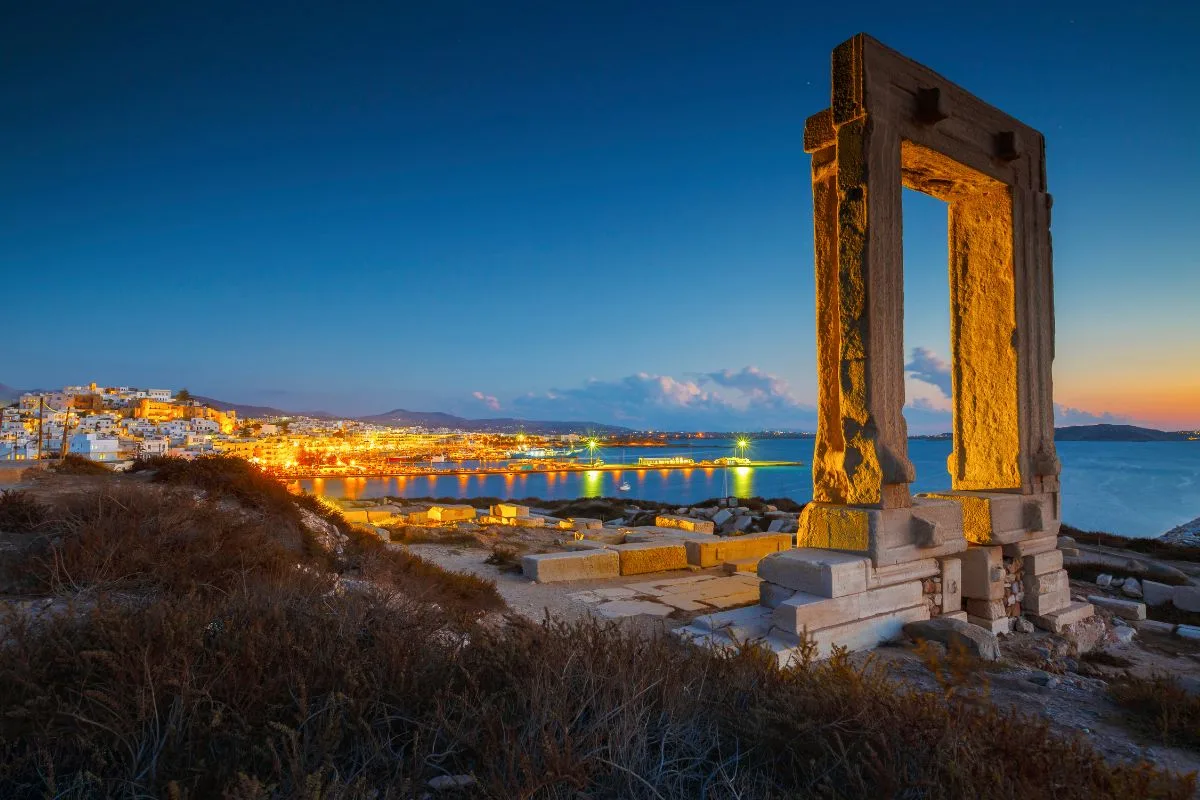
Naxos
Top among the Cyclades islands. Famous for lovely beaches, sweet villages, and old ruins. It’s got something for anyone.
What to see:
Check out the Portara – a huge marble archway that used to be the entrance for a temple of Apollo dude. Really cool.
What to do:
Hike up Mount Zeus for magnificient views, plus wander around charming villages like Chora and Apiranthos. And of course, chill at the beach.
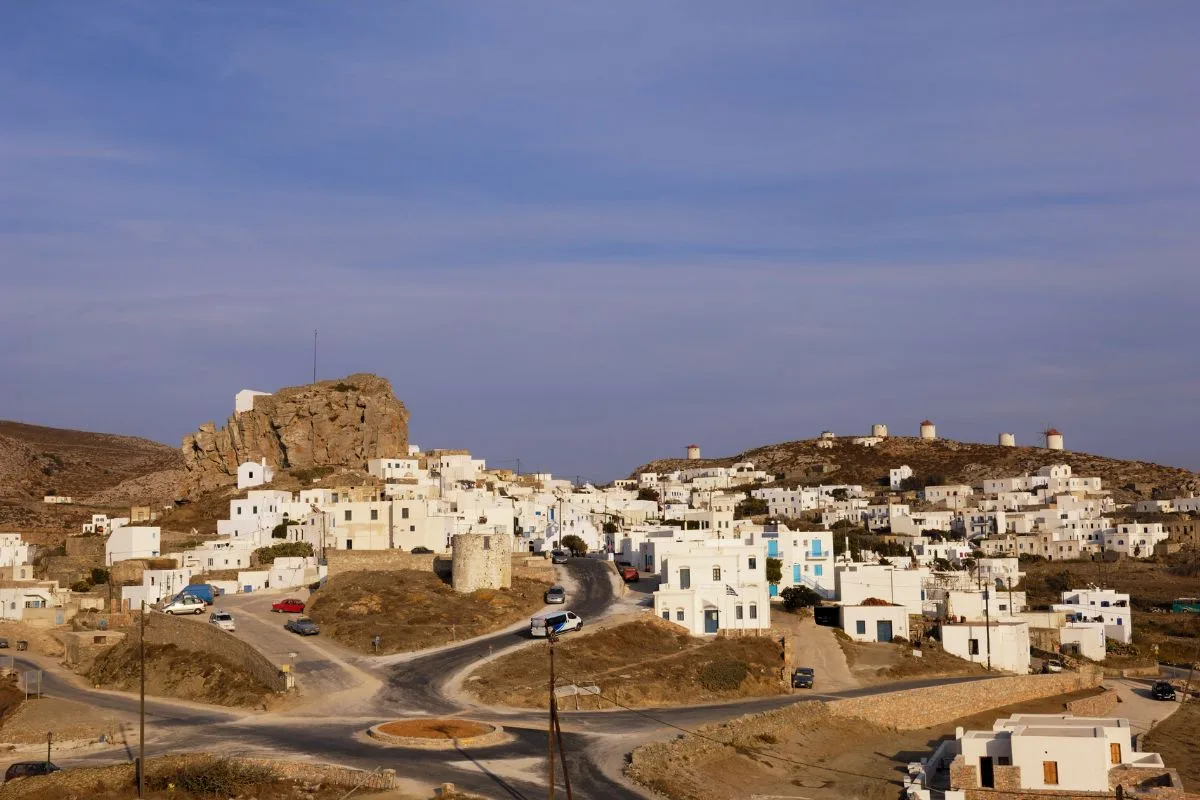
Amorgos
Another chill Cycladic island with dramatic cliffs, whitewashed houses dotting the landscape, and an overall relaxed vibe. Ideal getaway for kicking back.
What to see:
Don’t miss the Hozoviotissa and Panagia Chora Monasteries – they’re perched dramatically on cliffsides overlooking the sea.
What to do:
Hike to the monasteries, explore the island. Go at a slow pace. Life’s not a competition.

Folegandros
Small, peaceful, dramatic cliffs. The perfect off-the-beaten-path getaway with whitewashed houses and a slow pace.
What to see:
Chora, the main town cascading down a cliffside. A true feast for the eyes.
What to do:
Lounge on the beach. Take a boat trip around the island. Or enjoy sunset views from a taverna.

Living Like The Locals: What Greeks Do Best
The Cultural Journey and Traditions
On isles like Ikaria and Folegandros, vibrant Greek cultural and traditional continuity can be seen all over the place.
Sure, Ikaria is a festival galore! Music-dancing throngs feasting merrily, creating tight-knit community bonds.
But those craving an off-the-beaten-track adventure like myself, Folegandros captivates with its quaint charm and untouched landscapes.
Accessible by ferry, this island encapsulates traditional Greece’s soul, promising an authentically timeless escapade.
Not forgetting Halki– an elegant, neoclassical architecture that graces my eyes, beauty timeless. Undoubtedly, visiting there blew my mind.
Local Cuisine and Dining
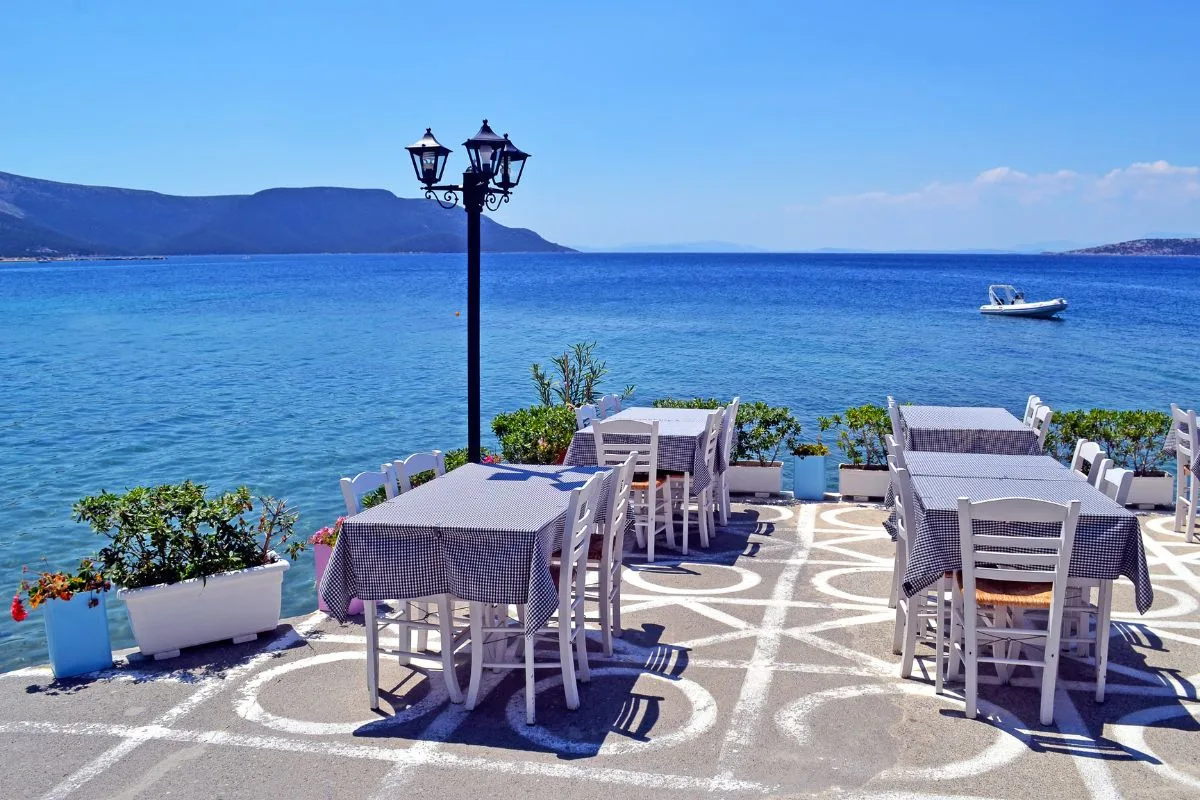
Non-touristy isles serve genuine flavors inherited from ancestors, each bite a delightful heritage story.
Thassos treat: thyme honey, fresh olives plucked from lush greenery, melt-in-mouth island specialties.
The Euboea’s Negroponte Resort in the Eretria area tantalizes with fresh seafood, nostalgic Greek dishes, and recipes treasured across generations.
Activities and Excursions
Dive in Kefalonia’s waters near Emelisse Nature Resort, a sea kaleidoscope of vibrant marine creatures.
Then hop over, to the tranquil havens of Aegean islands’ petite Koufonisia for a kayak, where its crystal waters lapping lazily on my face.
Sandwiched between Naxos and Amorgos, Koufonisia offer nature’s serene solitude. When island hopping, remember to take a ferry to access gorgeous Amorgos.
By exploring these alternatives, I uncover the Greek islands’ genuine spirit. Each visit to the tranquil Greek isle feels like a personal discovery —a slow travel odyssey that is deeply enriching and relaxing.
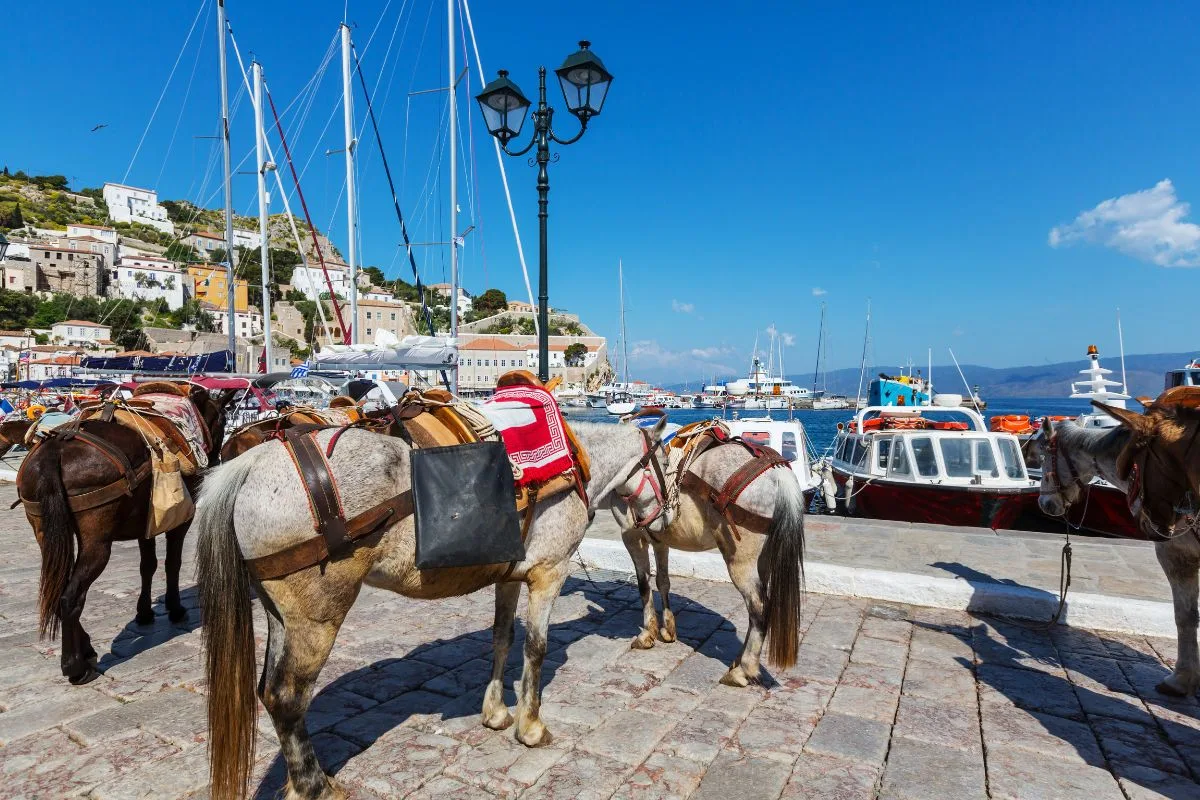
Carless Greek Island Life
On Greece’s most serene, tranquil islands, I discover a pace far removed from the hustle and bustle. Embracing slow travel, I’m drawn to the best car-free Greek island.
Hydra, for instance, is a timeless haven where beauty soaks in on foot or donkey ride. Cobblestone alleys and the gentle Aegean wash resonate tranquility only a car-free sanctuary offers.
However, for chauffeured luxury, it’s worth every penny to hire a private taxi. Or if you, like myself, enjoy slow-paced explorations; rent a car.
You can also explore hidden coves by booking small boats or sea taxis (ideal for groups), where the absence of cars shapes daily rhythms, fostering community bonds.
My typical island routine revolves around:
- Strolling to savor sights or run errands
- Cycling longer stretches without fatigue
- Boating to nearby islands, secluded beaches
Living car-free on a Greek island transcends mere absence of autos; it embraces wellness, sustainability, rare serenity. Life’s pace is guided by nature’s cadence and genuine human connections, not traffic’s hurried pulse.
Whether it’s Hydra, Ikaria and other islands, are more than just destinations, they’re sanctuaries for escaping modern frenzy, rediscovering art of leisurely living, one unhurried step after another.
So far, hands down, Koufonisia is the best Greek island to live in (at least for me!)– Perfect for nature lovers, hiking enthusiasts and those looking for relaxation. Living in Greece is an experience accented by the clarity of the air, the sounds of nature, and the authentic charm of island life.
Here, slow travel isn’t just possible; it’s deeply enriching, a personal discovery with every visit to experience the Hellenic island life. I can’t wait to go back and savor the rest of Greece.
Frequently Asked Questions About Slow Travel Greece
Here I’ll address common queries travelers have when contemplating or planning slow travel through Greece. Each response taps into extensive knowledge and current experiences – helping you fully immerse in the slow travel pace.
What locations make for a laidback journey through Greece?
When seeking a relaxing Greek adventure, I look for historically fascinating Delphi, tranquil Meteora, and culturally immersive Crete. Destinations like these lend themselves well to deep exploration and authentic connection with local living.
How has COVID-19 affected Greek slow travel?
Despite added health precautions now, unhurried Greek trips still hold space for personal reflection. Their pandemic response has prioritized guest safety and joyful discovery. You can thus experience the fulfillment of slow travel.
When’s best to visit Greece for a laidback getaway?
For a genuinely laidback Greek getaway, I suggest the shoulder seasons – spring (April to June) or fall (September to November). These periods offer mild weather and fewer tourists, lending a more intimate encounter with Greece’s timeless charm.
Which lesser-known Greek isles offer a tranquil escape?
Islands like Folegandros, Amorgos, and Alonissos provide tranquil retreats from busyness. I’ve found solace and deeper connection to island life on these charming hidden gems.
What Greek island offers a low-key, peaceful holiday?
For a relaxing, peaceful holiday, consider Ikaria. Known for its unhurried pace and locals’ longevity (“Blue Zone” where people outlive averages), Ikaria invites you to unwind and embrace life’s simplicity. How could you not wish to live forever in a beautiful spot like this?
